

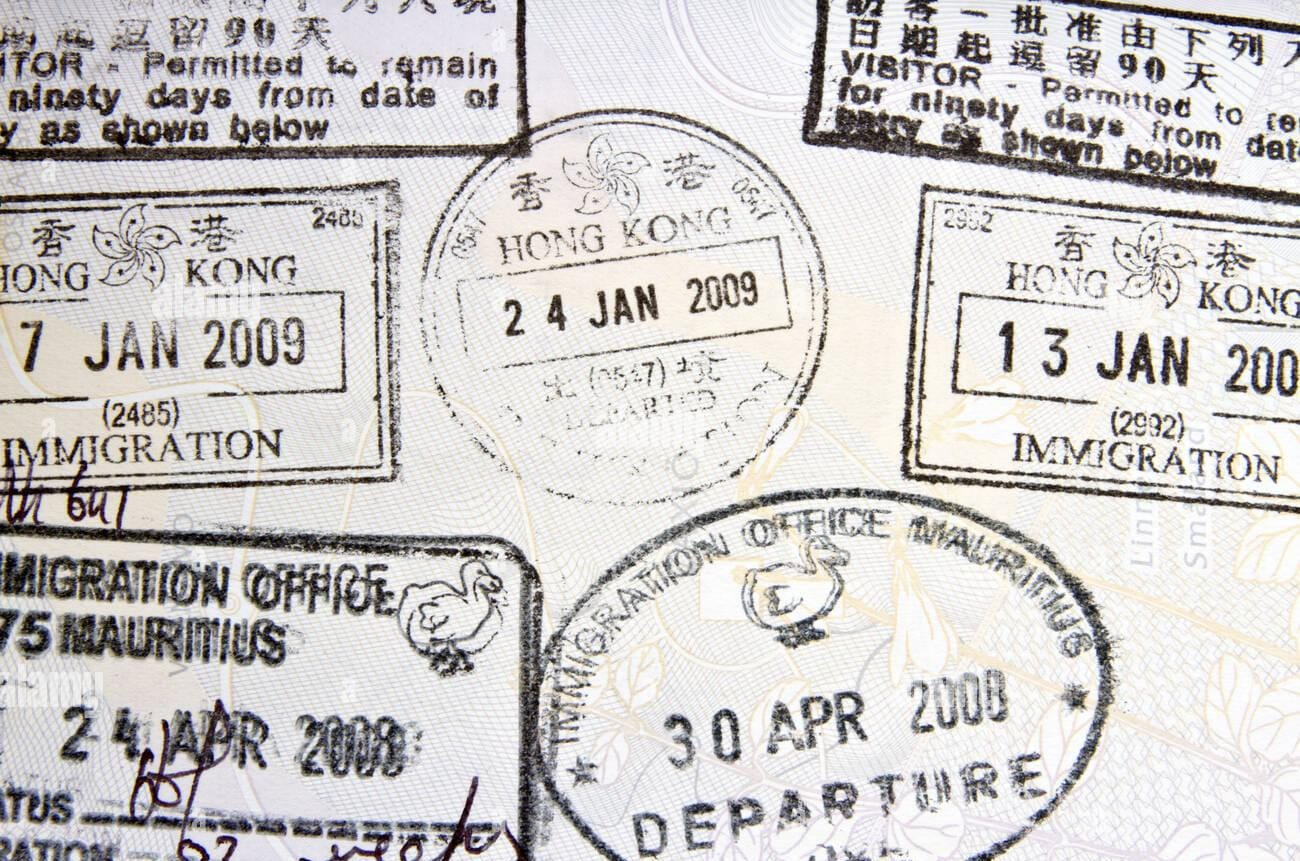
Mauritius cracks down on immigration fraud as offenders risk at least two years in prison, deportation, and long-term travel bans
The allure of Mauritius—with its pristine beaches, lush mountains, and vibrant culture—draws visitors from around the globe. For most, the journey is straightforward, a simple stamp in a passport marking the beginning of a dream vacation or a new chapter abroad. However, for a misguided few, the temptation to bypass immigration rules by using a counterfeit permit or entry stamp can turn that dream into a nightmare. What may seem like a shortcut to extended stay or employment is, in the eyes of the law, a serious criminal offense that carries the real and severe weight of imprisonment.
Using a fake immigration permit or entry stamp in Mauritius is not a minor infraction; it is a grave crime that can irrevocably alter the course of your life, leading to a prison sentence, substantial fines, and permanent banishment from the island nation.
The Legal Framework: Not Just a Minor Offense
Mauritian law is explicit and stringent when it comes to the integrity of official documents. The legal system categorizes the act of using or possessing a fake stamp under several serious offenses, reflecting the government's commitment to protecting its borders and the rule of law. These actions are generally prosecuted under:
Forgery of Official Documents: This involves the creation of a false document or the material alteration of a genuine one with the intent to defraud .
Use of False Documents: It is a distinct crime not only to forge a document but also to knowingly make use of a forged or counterfeit document, such as a passport with a fake entry stamp .
Immigration Fraud: This broader category encompasses any act of deception to circumvent immigration laws, including making false statements to an immigration officer or using fraudulent means to secure entry or residence .
The foundational principle, derived from legal interpretations in Mauritius, requires that for a conviction, it must be proven that the document is indeed forged, its use could cause prejudice (unlawful residence), and, crucially, that the person using it was aware of its falsity . Ignorance of the law is not a defense, but proving a lack of knowledge of the forgery can be a critical factor in court.
The Price of Deception: Penalties That Resonate
The consequences of being caught with a fake immigration document in Mauritius are severe and life-altering. The specific penalties can vary based on the circumstances, but they are designed to be a powerful deterrent.
Imprisonment: This is a very real and immediate consequence. Under the Immigration Act, a person convicted of offenses related to false statements or documents can be liable to imprisonment for a term not exceeding 5 years . Furthermore, broader laws regarding forgery often carry a punishment of penal servitude, a term that implies hard labor and a significant loss of freedom . Imprisonment typically starts from a baseline of 2 years and can escalate from there.
Substantial Fines: In addition to a prison sentence, the courts can impose heavy financial penalties. For immigration offenses, the law provides for a fine that can reach up to one million rupees .
Deportation: For any non-citizen convicted of such a crime, deportation is almost a certainty. The Deportation Act allows the Minister to order the removal of any individual deemed an "undesirable person," which certainly includes those convicted of immigration fraud or forgery .
Blacklisting and Entry Bans: A conviction will lead to an automatic blacklisting. You will be banned from re-entering Mauritius, effectively severing all ties with the country. Under similar legal frameworks, such bans can last for several years, if not a lifetime, closing the door on future visits, business opportunities, or any hope of residency .
Factors That Influence the Severity of the Penalty
When handing down a sentence, Mauritian courts and authorities will consider a range of factors. The penalty is not always a fixed number; it is influenced by the specifics of the case:
Knowledge and Intent: Was this a naive mistake or a calculated act of fraud? The prosecution must prove that the individual knowingly used the fake document . If it can be demonstrated that the person was an active participant in a scheme to deceive authorities, the penalties will be far more severe.
Scale of the Fraud: Is the fake stamp an isolated incident, or is it part of a larger, more complex fraud? If it is linked to illegal employment, human trafficking, or large-scale residency fraud, the legal system will treat it with the utmost severity, potentially leading to longer sentences.
Previous History: An individual's prior criminal or immigration record will heavily influence the outcome. A first-time offender might face a more lenient sentence compared to someone with a history of deception.
A passport is more than a travel document; it is a testament to your identity and your integrity. Stamping it with a forgery is an act that breaks the law and shatters the trust that underpins international travel. For those with a fake stamp in their passport, for the sake of a few extra months on a beautiful island, the risk is catastrophically high: a criminal record, a prison sentence in a foreign country, and a lifetime ban from a place you once loved. The message from Mauritian authorities is clear and resolute: immigration fraud is a serious crime, and if you are caught, you will face the full force of the law. There are no shortcuts around the rules—only a direct path to severe and lasting consequences.
Leave a comment
Your email address will not be published. Required fields are marked *