

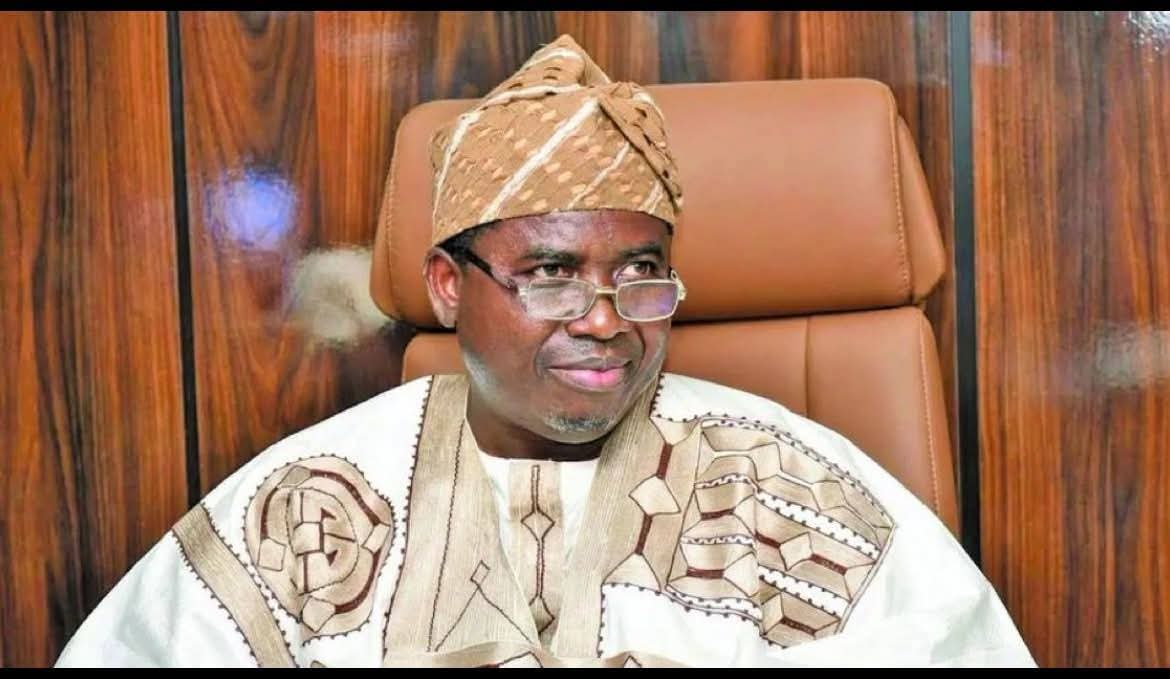
The electoral chief admits that controversies surrounding the 2023 general election damaged public confidence in INEC, pledging that technical safeguards will prevent inaccurate polling unit results from appearing on the IReV portal in 2027.
The Chairman of the Independent National Electoral Commission (INEC), Professor Joash Amupitan (SAN), has appealed to Nigerians to trust the commission to deliver free, fair, credible and inclusive elections in 2027, assuring citizens that he will not disappoint them.
Amupitan acknowledged that INEC was yet to fully recover from the credibility crisis triggered by technical glitches and controversies surrounding the 2023 general election.
However, he assured Nigerians that the commission was introducing new technical safeguards to prevent a repeat of the problems, particularly those associated with the transmission and uploading of polling unit results.
The INEC chairman gave the assurances on Thursday while speaking at Chatham House in London during a dialogue organised in collaboration with the Kimpact Development Initiative (KDI).
The discussion was held under the theme, “Nigeria’s 2027 Elections: Democratic Trajectory and Regional Stability Beyond the Ballot.”
According to a statement by his Chief Press Secretary, Adedayo Oketola, Amupitan admitted that the controversies surrounding the 2023 presidential election significantly undermined public confidence in the electoral body.
He said the damage to INEC's reputation was substantial and that rebuilding public trust remained one of the commission's major priorities ahead of the next general election.
“First, let me speak about what happened in 2023, which resulted in a significant trust deficit for INEC—damage so large that the Commission has not yet fully recovered from it,” he said.
Explaining the commission's efforts to address the shortcomings, Amupitan disclosed that an internal review of the 2023 election identified serious weaknesses in the result management process, particularly at collation centres.
He explained that the commission's post-election assessment showed that some of the most significant failures occurred during the collation of results rather than at the polling unit level.
The INEC chairman also acknowledged that instances of inaccurate results and figures involving over-voting were uploaded to the commission's Result Viewing Portal (IReV) during the 2023 elections.
He said INEC had since developed a technical mechanism designed to identify and block inaccurate results before they are uploaded to the public portal.
“In 2023, there were instances of inaccurate results or results with over-voting being uploaded onto IReV. We have now devised a technical safeguard: if a result is not accurate at the polling unit, it will not go to IReV at all.
“The moment a result appears on IReV, citizens can trust what they see. By eliminating inconsistencies at the source, collation will become a transparent formality,” he stated.
Amupitan maintained that the new measures would strengthen transparency, improve the credibility of election results and reduce the possibility of discrepancies during the collation process.
He further disclosed that INEC would conduct a nationwide mock accreditation and voting exercise on November 28, 2026, as part of preparations for the 2027 general election.
The exercise is expected to provide an opportunity for the commission to test its electoral processes and identify possible technical challenges before the actual elections.
With public confidence in Nigeria's electoral system still a major concern following the 2023 controversies, Amupitan's assurances place renewed attention on INEC's preparedness to deliver a more transparent and credible electoral process in 2027.
Leave a comment
Your email address will not be published. Required fields are marked *