

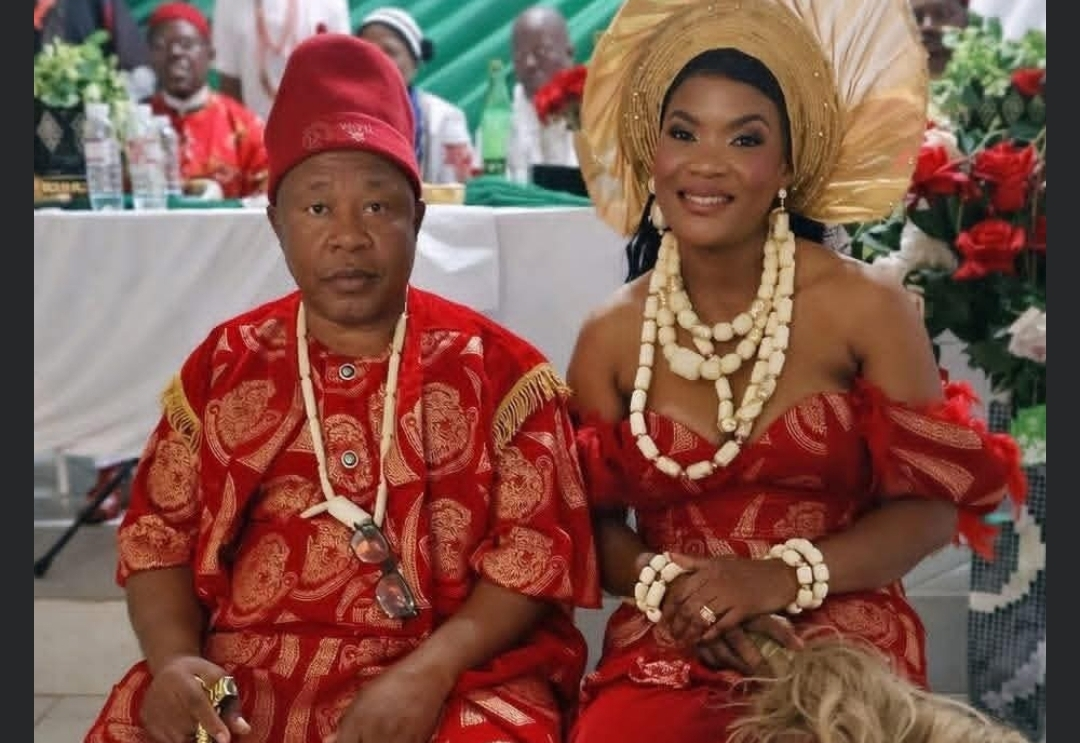
The African Transformation Movement calls for a probe into the traditional ceremony held in East London, igniting fierce debate on social media over sovereignty, cultural diplomacy, and Pan-Africanism.
A traditional coronation ceremony for a Nigerian “Igbo” king held in East London has ignited a political dispute in South Africa, with a political party demanding an urgent investigation into the event’s legitimacy.
The African Transformation Movement (ATM), a prominent South African political party, has raised formal concerns over the ceremony, which took place in the Eastern Cape province. While the party has not specified the full scope of its objections, it has called on authorities to scrutinize the proceedings, citing questions over the legal and customary validity of installing a foreign traditional leader on South African soil.
The event has since become a flashpoint for intense public debate across social media platforms, drawing sharply divided reactions from citizens and political commentators alike.
Supporters of the coronation have framed it as a powerful symbol of Pan-African solidarity, celebrating the move as a step toward deeper cultural integration across the continent. Many congratulated South Africa for hosting the ceremony, viewing it as a gesture that reinforces the idea of Africa as a unified cultural and political entity.
However, critics have raised pointed questions about the broader implications of the event. One recurring theme in the online discourse centers on reciprocity, with some asking whether a South African traditional leader would be granted similar recognition in Nigeria—specifically, whether a South African king could be coronated in cities such as Abuja or Lagos without facing comparable scrutiny.
The coronation has also brought to the fore broader sensitivities around traditional leadership, migration, and the recognition of foreign cultural practices within South Africa’s legal and customary frameworks. As of now, no official statement has been issued by national government bodies regarding the investigation call from the ATM.
The story continues to develop as calls for clarity grow louder, with many awaiting guidance from both South African and Nigerian authorities on the legal and diplomatic status of such cross-border traditional institutions.
Leave a comment
Your email address will not be published. Required fields are marked *