

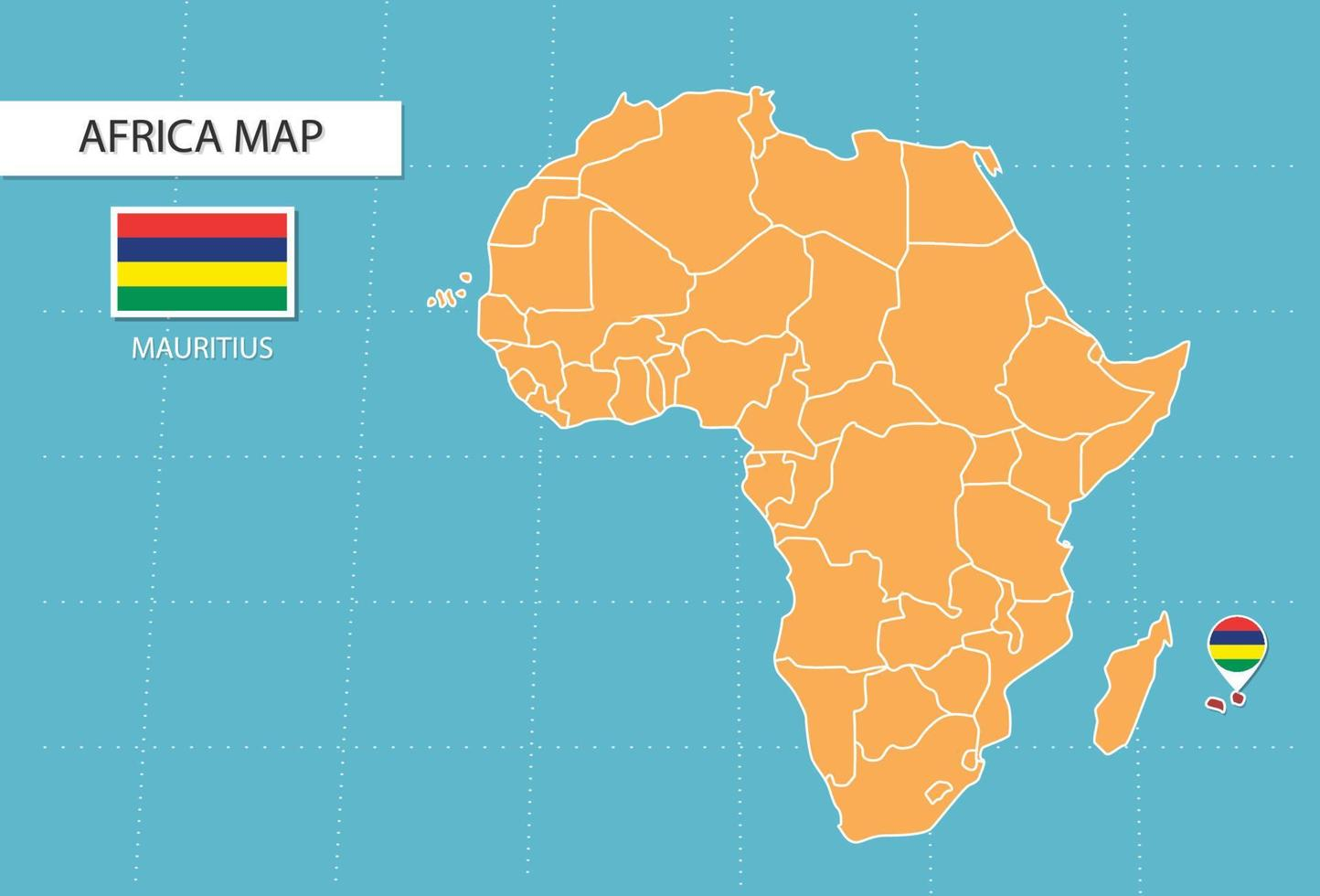
Stakeholders propose proposal, database and committee to engage government on legal status for Africans living in the country
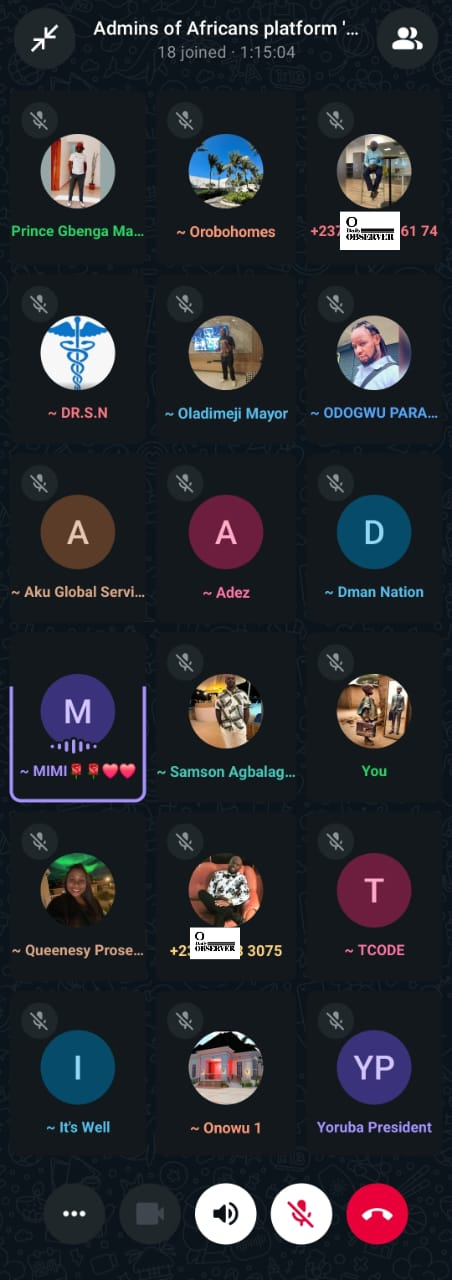
African community leaders in Mauritius on Sunday held a strategic meeting to discuss possible pathways for undocumented African migrants to obtain legal status in the country, while also addressing concerns about conduct within the community.
The meeting, held on March 15, 2026, was opened by the President of the Nigerian Association in Mauritius, Mr Samson Agbalagba, before proceedings were handed over to Madam Esther Queensy, Secretary for International Students, who presented a detailed briefing on the situation facing many Africans living in the country without proper documentation.
Madam Queensy explained that one possible solution would be to prepare and submit a formal proposal to the Mauritian government seeking a framework that could allow undocumented African migrants to regularise their stay.
Following her presentation, Mr. Prince Gbenga was invited to introduce leaders representing various African associations present at the meeting.
The President of the Nigerian Association, Mr Samson Agbalagba, later took the floor, acknowledging concerns raised by the Mauritian authorities over the activities of some migrants. He stressed the need for Africans in the country to improve their conduct, noting that certain behaviours had contributed to increased scrutiny from authorities. He also advised caution, suggesting that large-scale data collection should be temporarily put on hold while the proposal to the Mauritian government is first developed, to avoid exposing undocumented individuals to potential risks.
The Vice President of the Nigerian Association, Mr. Peter Ufomadu, also spoke, attributing the rising number of arrests involving Africans to misconduct within parts of the community, adding that the situation was not as severe a decade ago.
The President of the Cameroonian Association, Mr. Musa Stephen, urged Africans in Mauritius to remain law-abiding while supporting the initiative aimed at achieving legal recognition.
The President of the Ghana Association, Mr. Richmond, encouraged Africans to maintain discipline and good behaviour, describing it as essential for gaining the trust of the Mauritian authorities and achieving the community's long-term goals.
The Chairman of the Ndigbo Community, Mr. Onowu Chibuzor, expressed optimism about the initiative, saying he believed the discussions could lead to positive outcomes for Africans living in Mauritius.
The President of the Yoruba Association, Mr. Olami, addressed the gathering, outlining possible steps for preparing the proposed document and stressing the importance of sensitising members of the African community about the initiative.
The Vice President of the Yoruba Association, Mr. Oladimeji Mayowa, also emphasised the need for members of the African community to play their part by acting responsibly to strengthen the case for legalisation.
Dr. Kelechi Uchechukwu (MD, FIGOS), and one of the Admins of The Friends Chamber (TFC), further clarified the agenda of the meeting and the expected outcomes. He proposed the formation of a committee to develop modalities for the process and coordinate future engagements. He further encouraged community leaders to begin orientation programmes within their respective groups to prepare members for the proposed process.
Madam Queensy elaborated on the need to create a comprehensive database of Africans in Mauritius as part of the process, explaining that such information could help structure discussions with authorities.
Mr. Adelowo Oluwaseye (Dman) supported the idea, suggesting that community groups share data indicating the immigration status of their members. He was subsequently appointed as the temporary secretary for the meeting.
Mr. Sola Omoniyi offered an additional proposal, suggesting that the government could consider a monetised pathway that would allow Africans to regularise their stay through a structured legalisation programme.
Mercy Orajaka (Mimi), also from TFC, discussed possible methods for gathering the necessary data and the procedures that could be used for documentation.
The meeting concluded with participants expressing appreciation to African leaders in Mauritius for their commitment to addressing the challenges facing the community.
Leave a comment
Your email address will not be published. Required fields are marked *