

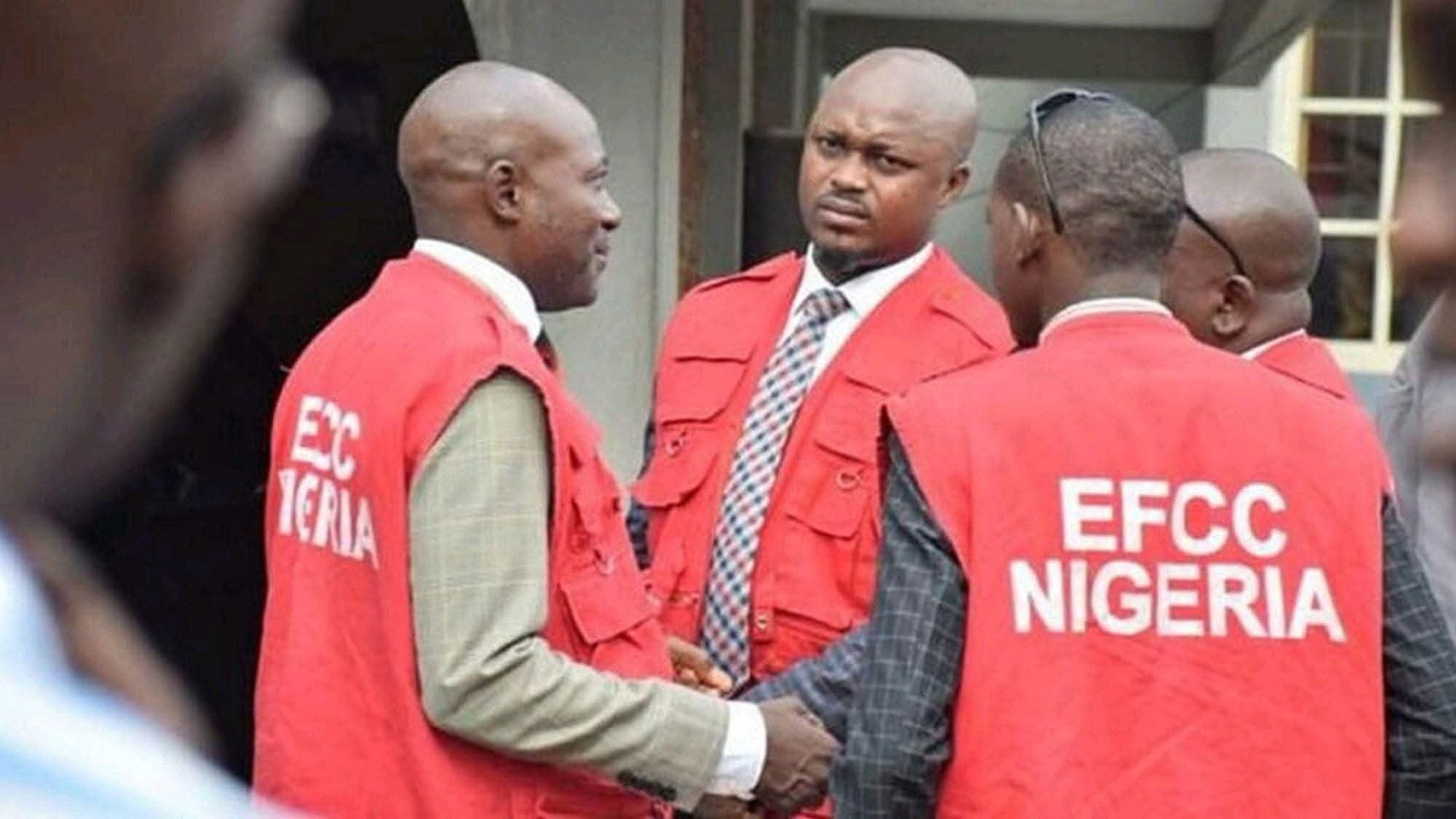
Olukoyede says mixing religious funds with personal businesses is criminal, urges churches and mosques to strengthen financial controls
The Economic and Financial Crimes Commission (EFCC) has warned religious leaders against diverting tithes, offerings, zakat and other funds entrusted to churches and mosques into private businesses.
EFCC Chairman, Ola Olukoyede, issued the warning on Wednesday in Abuja while speaking at the 2026 Second Council Meeting of the Nigeria Inter-Religious Council (NIREC).
Olukoyede urged religious institutions to establish strong regulatory and financial compliance mechanisms to ensure that money donated or contributed for religious purposes is properly accounted for and used for its intended objectives.
According to him, religious leaders have a responsibility to demonstrate integrity because their conduct can significantly influence the behaviour and values of their followers.
He cautioned religious leaders against mixing funds belonging to their organisations with their personal resources or using institutional funds to finance private commercial ventures.
“When the followers know that there is no difference between the money that is meant to propagate the faith that you stand for and your own personal resources, you miss everything together,” Olukoyede said.
“You are not supposed to mingle in. That’s nothing that says you can’t do any other vocation. You sell cars, you are a farmer and all of that.
“Don’t mix the money from the purse of your organisation with that of your own personal money. Don’t do that. When money is paid to your organisation, don’t divert it to your business.
“That’s criminal and some of our adherents and followers see some of these things we do.”
The EFCC chairman stressed that engaging in legitimate private businesses was not prohibited, but insisted that religious organisations’ finances must remain separate from the personal finances and commercial interests of their leaders.
He said clear financial structures, accountability procedures and compliance systems would help protect religious funds from misuse while strengthening public confidence in faith-based organisations.
Olukoyede also called on religious leaders to play a greater role in preventing corruption, rather than leaving the responsibility entirely to law enforcement agencies.
He noted that the EFCC had the statutory responsibility to investigate, arrest and prosecute financial crimes, but religious institutions had a different and equally important role in shaping the values that could discourage people from engaging in corruption.
According to him, faith communities have the ability to influence character, promote honesty and encourage responsible conduct before criminal behaviour occurs.
The EFCC chairman further criticised the practice of worship centres celebrating or publicly honouring individuals whose sources of wealth cannot be reasonably explained.
He cited situations where public officials allegedly construct expensive religious buildings whose value appears far beyond their legitimate earnings, only for religious leaders and worshippers to celebrate the projects.
“A public servant says he has built a mosque that is worth more than his earnings in the next 500 years. And you go there to dedicate it. You are dedicating the proceeds of crime,” he said.
Olukoyede's remarks highlight the need for religious organisations to strengthen internal financial controls and ensure transparency in the management of funds contributed by worshippers and other donors.
He also urged religious leaders to recognise that their influence extends beyond places of worship, stressing that their personal conduct sends powerful messages to the people who look up to them.
The NIREC meeting brought together representatives of Nigeria's major religious communities to discuss issues affecting the country and the role of faith leaders in promoting peace, integrity and national development.
Leave a comment
Your email address will not be published. Required fields are marked *