

Philip Shaibu defends the handling of the Flamingos' airport reception, insisting that President Tinubu's personal calls to the players during the tournament were more meaningful than post-victory celebrations.
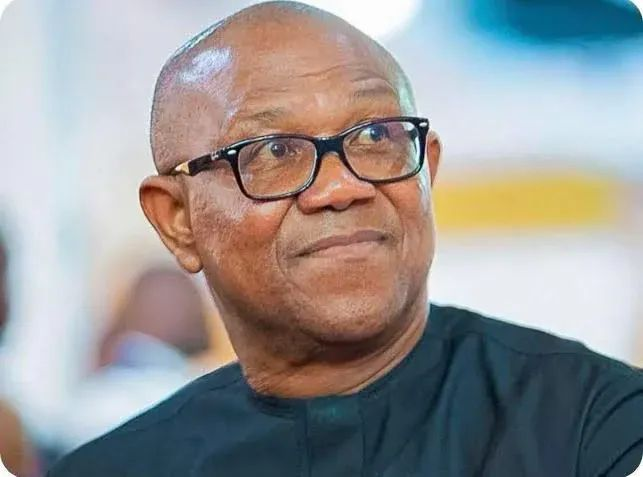
The Director-General of the National Institute for Sports (NIS), Philip Shaibu, has weighed in on the controversy surrounding former Anambra State Governor Peter Obi and the Nigeria U-17 women's national team, the Flamingos, saying Obi could have simply waved at the players like other Nigerians at the airport.
Shaibu made the remarks on Tuesday during an interview on Channels Television's Morning Brief, where he reacted to allegations that officials of the Nigeria Football Federation (NFF) prevented Obi from greeting the victorious team upon their return to Abuja.
The former Edo State Deputy Governor suggested that physically waiting at the airport to welcome the players was not particularly necessary, arguing that the support given to athletes before and during competitions mattered more than public celebrations after winning.
According to him, President Bola Tinubu demonstrated his commitment to the team by personally contacting the players at different stages of the tournament, particularly when they needed encouragement.
Shaibu said such gestures could have a greater emotional impact on athletes than public appearances after a successful competition.
"I consistently tell Nigerians, the President makes personal calls before, during, and after. And those calls are more important than after the victory," he said.
He explained that hearing directly from the President during difficult moments could boost the confidence of players and motivate them to perform better.
The NIS chief added that the Flamingos deserved every form of recognition for their historic achievement but maintained that the attention should not be limited to celebrations, stressing the importance of proper preparation and institutional support.
"These girls deserve to be received, these girls deserve all the accolades that they need. But what is key is the foundation preparatory to that victory," he added.
Drawing from his experience as a former footballer and sports administrator, Shaibu said getting political leaders to personally interact with athletes, particularly in their dressing rooms, was not always easy.
He described Tinubu's willingness to speak directly with the Flamingos as a significant morale booster, noting that such communication could make players feel valued and supported.
Reacting directly to whether NFF officials were right to prevent Obi from welcoming the team, Shaibu said the former presidential candidate could have remained at the airport and waved at the players like other members of the public.
"Mr Obi can stand at the airport and wave to them like every other person did," he stated.
Shaibu also recalled an encounter with Enyimba players at an airport, explaining that he once waved at the team and allowed them to proceed after learning they were travelling.
He noted that football teams sometimes issue instructions restricting players from interacting with outsiders while travelling, adding that such arrangements should be respected.
How the Flamingos airport controversy started
The controversy erupted after Obi alleged that NFF officials stopped him from greeting the Flamingos when the team returned to Abuja on Monday following their historic triumph at the FIFA U-17 Women's World Cup in Morocco.
Obi said he arrived at the airport at about 7 am ahead of a flight to Enugu and asked his protocol officer, Jackie Wayas, to establish whether he could meet the players.
According to him, he was informed that officials had rejected the request and allegedly threatened that those responsible could lose their jobs if they allowed him to approach the team.
However, the Chairman of the National Sports Commission (NSC), Shehu Dikko, offered a different account of what happened.
Dikko said officials who received the team reported that they did not see Obi around the players or near the international terminal where the Flamingos arrived.
He further claimed that two individuals wearing campaign face caps and other political materials associated with Obi approached officials seeking an opportunity to meet and take photographs with the players.
The request, he explained, was declined because the team had just returned from a demanding international competition and needed adequate consideration after their journey.
Dikko also urged Obi to apologise to the players, arguing that the controversy should not distract from their historic accomplishment.
Flamingos make African football history
The Flamingos made history in Morocco by defeating Japan 2-1 in Saturday's final to win their first-ever FIFA U-17 Women's World Cup title.
The victory also made Nigeria the first African country to win the competition, marking a significant milestone for women's football on the continent.
The team's achievement attracted widespread celebrations and commendations from Nigerians, although the disagreement over Obi's alleged encounter with football officials has since generated a separate political and sporting debate.
.
.
.
For news placements, adverts and other sponsorship, contact Daily Observer on: ( dailyobservermedia@gmail.com or +2348162850062 )
Leave a comment
Your email address will not be published. Required fields are marked *