

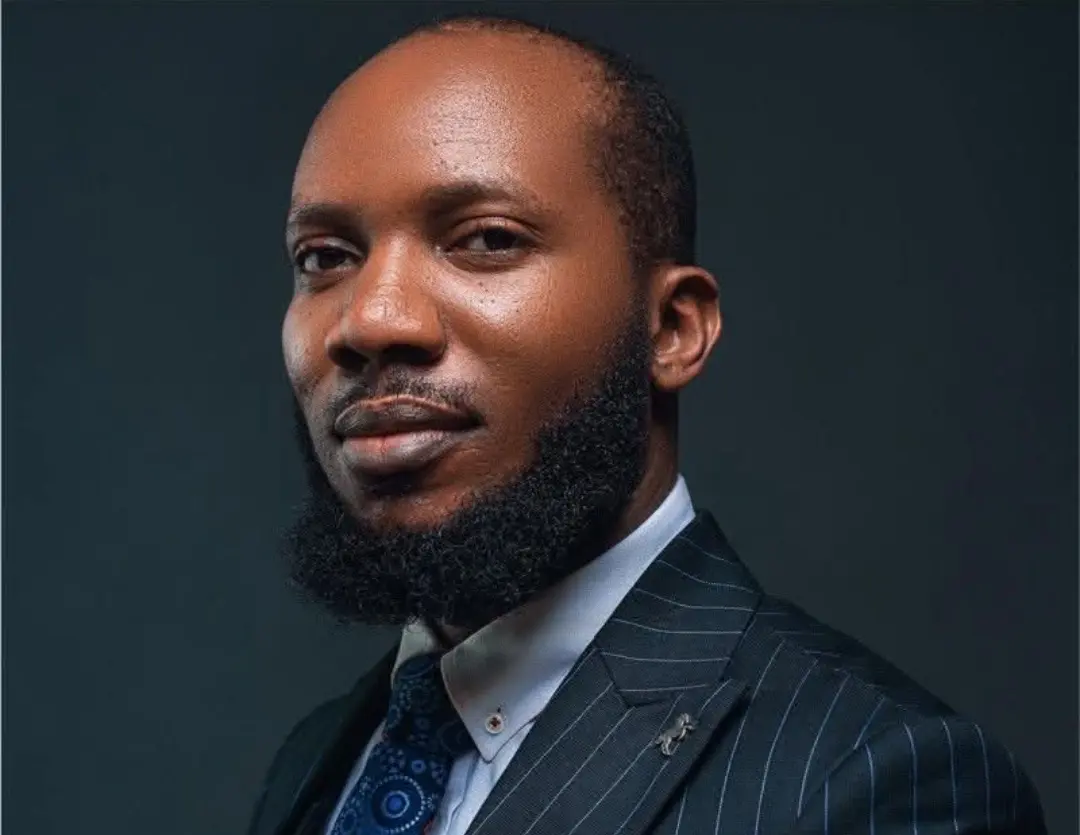
Inibehe Effiong questions agency’s legal identity, prosecutorial powers, and the admissibility of El-Rufai’s Arise TV comments in alleged phone interception case involving NSA Nuhu Ribadu.
Human rights lawyer Inibehe Effiong has raised strong legal objections to the cybercrime charges filed against former Kaduna State Governor, Nasir El-Rufai, by the Department of State Services (DSS), describing the case as deeply flawed in law.
El-Rufai was arraigned on Monday before the Federal High Court in Abuja on a three-count charge bordering on the alleged unlawful interception of telephone communications belonging to the National Security Adviser (NSA), Nuhu Ribadu. The charges are anchored on the Cybercrimes (Prohibition, Prevention, etc.) Amendment Act 2024 and related statutes.
The case stems from comments El-Rufai made during a live interview on Arise Television on February 13, 2026, in which he alleged that Ribadu’s phone had been tapped and that details of a conversation—allegedly instructing security operatives to arrest him—were relayed to him.
Reacting via a Facebook post, Effiong described the prosecution as “problematic in law,” outlining several fundamental concerns.
First, he argued that no government agency known as the “Department of State Services” exists under Nigerian law. According to the National Security Agencies Act, the body legally established is the State Security Service (SSS), not DSS—an issue Effiong said he has consistently raised over the years.
Second, the lawyer questioned the authority of the agency to prosecute the matter, noting that the Act does not confer prosecutorial powers on the SSS, thereby raising doubts about the legality of charges filed in the name of the DSS.
Effiong also challenged the evidentiary basis of the case, asking whether El-Rufai’s televised remarks could qualify as an admissible extrajudicial or confessional statement. He stressed that such statements must typically be made under caution to carry legal weight. According to him, El-Rufai did not admit to tapping the NSA’s phone but merely claimed that another person had done so and relayed the information to him.
Additionally, Effiong cited the constitutional right against self-incrimination, emphasizing that no court can compel El-Rufai to give evidence against himself.
Although he clarified that he is “not a fan of El-Rufai,” Effiong maintained that the legal foundation of the case appears shaky. “Time will tell,” he concluded.
Leave a comment
Your email address will not be published. Required fields are marked *