

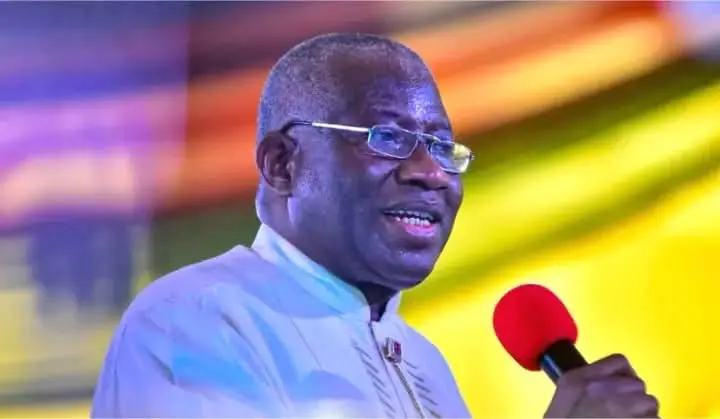
Ex-President says younger leaders possess the stamina and clarity required for modern governance, but insists discipline and strong institutions remain key.
Former President Goodluck Jonathan has called on African nations — including Nigeria — to deliberately promote younger leaders between the ages of 25 and 50 into top political offices, arguing that they are better equipped to handle the rigours of modern governance.
Speaking on Thursday in Abuja at the International Memorial Lecture and Leadership Conference marking the 50th anniversary of the assassination of former Head of State, General Murtala Ramat Muhammed, Jonathan said Africa must rethink the long-standing notion that political leadership is best reserved for the elderly.
Drawing from his experience in office, the former president stressed that leadership demands immense physical stamina, mental alertness and resilience. He questioned the belief that advanced age is a prerequisite for effective governance.
“Why do we begin to think that you must be a hundred years old before you can rule your country?” Jonathan asked, maintaining that younger leaders are often more vibrant, physically strong and mentally sound to confront the pressures of contemporary leadership.
Jonathan aligned his position with the objectives of Nigeria’s Not Too Young To Run movement, which campaigns for reduced age limits for elective positions to boost youth participation in politics. He pointed to historical precedents, noting that leaders such as General Murtala Muhammed and General Yakubu Gowon assumed national leadership in their 30s and left lasting marks on the country’s history.
However, he cautioned that youthfulness alone does not translate into good governance. According to him, effective leadership must be anchored on discipline, patriotism and the strengthening of democratic institutions.
Jonathan’s comments have reignited conversations across Nigeria and the broader African continent about generational shift in politics, particularly as countries begin to position themselves for upcoming electoral cycles.
Leave a comment
Your email address will not be published. Required fields are marked *