

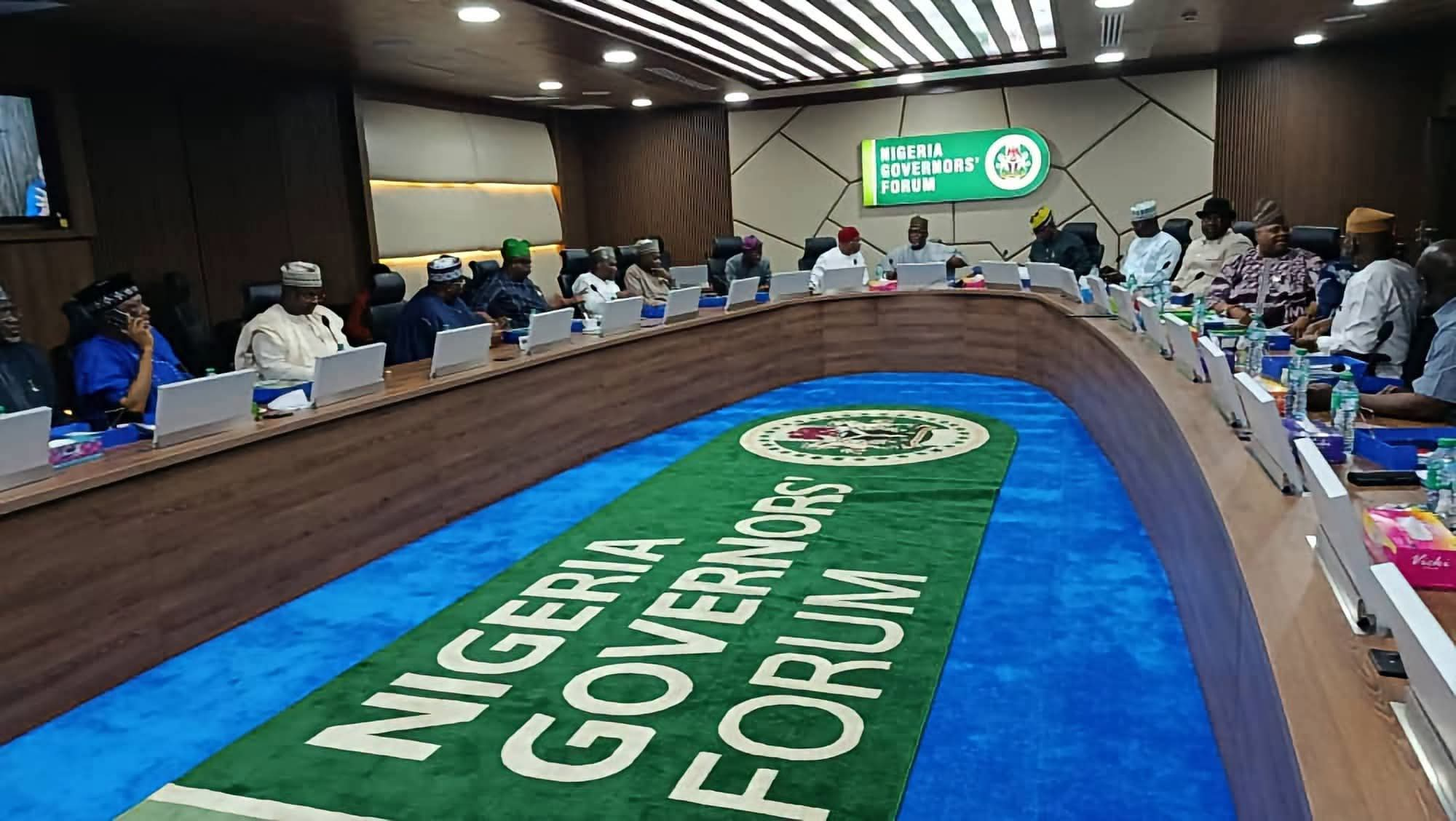
Reported expenditure raises fresh concerns over state government overheads amid pressure for more spending on infrastructure, healthcare and education
Nigeria’s 36 state governors reportedly spent a combined N512 billion on government houses, office-related expenses and travels in the first six months of 2026, according to report.
The reported expenditure has triggered renewed debate over the management of public funds at the state level, particularly as Nigerians continue to grapple with rising living costs and persistent demands for better public services.
The analysis suggests that a substantial portion of state resources went into administrative and travel-related expenses between January and June 2026.
The figure has raised questions about the size of government overheads and whether the spending provides sufficient value to citizens, especially when compared with the resources available for critical sectors such as education, healthcare, roads, water supply and social welfare.
The reported N512 billion expenditure also significantly exceeds the combined salaries of the 36 governors, highlighting the broader cost of running government offices, maintaining official residences, travelling and meeting other administrative obligations.
Although state governments require funds to operate, the scale of the reported spending has renewed calls from public affairs analysts and citizens for greater transparency in the use of public resources.
Government Houses and official offices incur expenses covering maintenance, utilities, personnel, security, official engagements and other administrative activities. Governors and their officials also travel regularly for state and national assignments, meetings and other government-related engagements.
However, critics argue that such expenditures should be subjected to stronger scrutiny, particularly at a time when many state governments are receiving increased allocations and other revenues while citizens continue to demand tangible improvements in their communities.
The debate also touches on the wider issue of Nigeria’s cost of governance. For years, concerns have been raised over the amount governments spend on administration compared with capital projects and programmes that directly affect citizens.
With state governments responsible for major areas of service delivery, including primary healthcare, basic education, rural roads and other local infrastructure, advocates of fiscal accountability say more resources should be directed towards projects with measurable benefits for residents.
The reported N512 billion spending is therefore likely to fuel further discussions about how state governments can reduce unnecessary administrative costs while improving efficiency and accountability.
The figures also come at a time when governors have continued to seek increased financial resources to enable states to meet their obligations and implement development programmes.
For many Nigerians, the central question is not whether governments should spend money on official activities, but whether such expenditure is reasonable, transparent and capable of delivering value to the public.
The latest report is expected to intensify calls for state governments to publish clearer details of their administrative expenses and demonstrate how public funds are being used.
Leave a comment
Your email address will not be published. Required fields are marked *