

Stakeholders in several northern states reject the UK’s latest warning, while experts call for more localised security assessments and stronger action against insecurity.
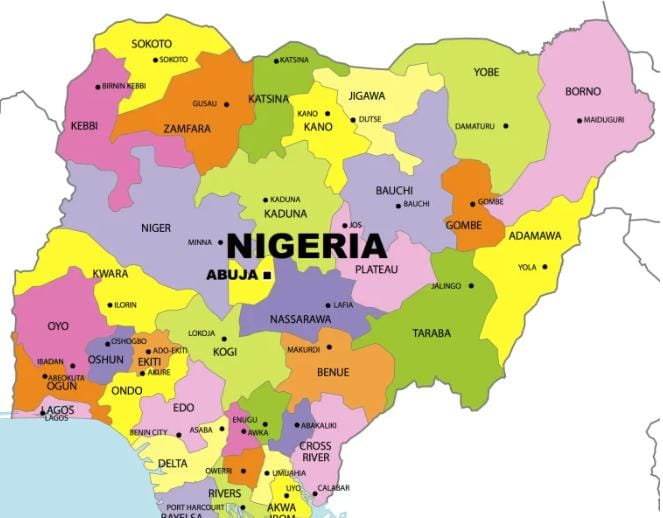
The United Kingdom’s updated travel advisory on Nigeria has triggered a fresh debate across the North, with stakeholders divided over whether it accurately reflects the region’s security situation or unfairly places relatively peaceful states alongside areas facing severe security threats.
The advisory, issued by the UK Foreign, Commonwealth and Development Office (FCDO) on August 20, 2026, cited terrorism, kidnapping, violent crime and communal clashes in restricting travel to several parts of the country.
While opposition parties in Kwara State backed the warning as evidence of worsening insecurity, governments and residents in Kano, Jigawa, Gombe, Yobe and Kaduna rejected the assessment, insisting that their states remain largely safe and accessible.
Nasarawa State, the only North-Central state excluded from the advisory, attributed the development to sustained security efforts in the state.
The warning has also raised concerns over its possible economic and humanitarian consequences, including reduced foreign investment, tourism, business visits and international aid.
Stakeholders in Jigawa said some foreign partners had already postponed planned visits, while those in Benue expressed fears that travel restrictions could affect humanitarian assistance to internally displaced persons (IDPs).
Security experts and academics, however, urged authorities to treat the advisory as a risk assessment rather than a blanket verdict on the North.
They argued that security conditions vary significantly from one state to another and, in some cases, between local government areas within the same state. They therefore called for more localised assessments and diplomatic engagement with the UK where particular classifications are considered inaccurate.
The Coalition of Northern Groups also cautioned against stereotyping the entire region, urging governments to confront genuine security threats through stronger intelligence gathering, improved protection of highways and economic corridors, and the dismantling of criminal networks.
Some stakeholders in Zamfara, meanwhile, said the state had limited economic exposure to British visitors and therefore little to lose from the restriction.
Despite the divergent reactions, stakeholders largely agreed that the underlying issue remains insecurity.
A lecturer at Abubakar Tafawa Balewa University, Bauchi, Aminu Makama, said travel warnings would continue to follow persistent attacks, kidnapping and violent crime.
He stressed that the most effective way to change international perceptions was to make affected communities safer in reality.
Leave a comment
Your email address will not be published. Required fields are marked *