

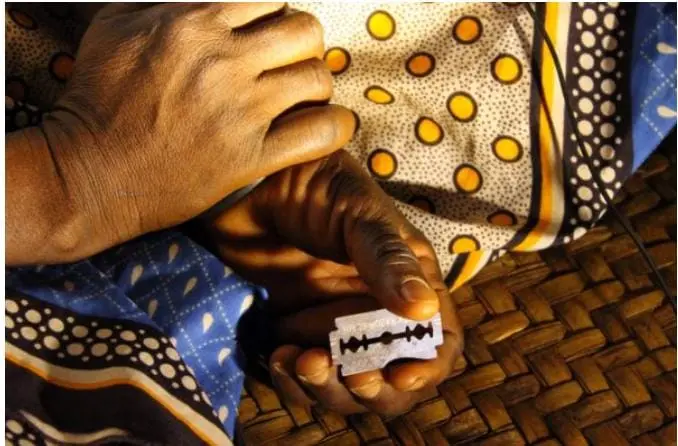
Global agency says harmful practice persists across 94 countries despite international efforts to end it
The United Nations Population Fund (UNFPA) has warned that no fewer than 4.5 million girls worldwide are at risk of being subjected to female genital mutilation (FGM) this year.
According to the agency, an estimated 230 million girls and women have already undergone FGM globally, making it one of the most widespread harmful practices affecting women and girls.
Female genital mutilation is internationally recognised as a violation of human rights. The practice involves the partial or total removal of, or injury to, the female genitalia for non-medical reasons.
In some cases, FGM is carried out by healthcare providers and described as “medicalised.” However, UNFPA stressed that even when performed by professionals using sanitised equipment, the procedure is neither safe nor medically necessary, particularly for the girl child.
FGM is reported to be practised in 94 countries across all continents, despite having no medical justification and being illegal in many places.
A recent UNFPA report noted that millions of girls and women continue to live with severe, long-lasting, and sometimes life-threatening physical and psychological consequences, despite global efforts to eradicate the practice.
One major reason FGM remains deeply entrenched, the agency explained, is the false belief that abandoning the practice is being imposed by foreign influence, rather than driven by local communities themselves.
Ahead of the International Day of Zero Tolerance for Female Genital Mutilation, observed annually on February 6, the United Nations sexual and reproductive health agency renewed calls for urgent action.
“To protect these girls, we must all invest in meeting the target of ending this harmful practice by 2030, by building broader partnerships and implementing cost-effective interventions that challenge the social norms that sustain it,” the agency stated.
UNFPA added that governments, donors, the private sector, communities, grassroots organisations, girls, women, boys and men all have a role to play in ensuring that girls grow up free from female genital mutilation.
Africa bears the largest burden of FGM globally, and the UN agency says dismantling long-standing myths and misconceptions surrounding the practice remains a key part of its ongoing agenda.
Leave a comment
Your email address will not be published. Required fields are marked *