

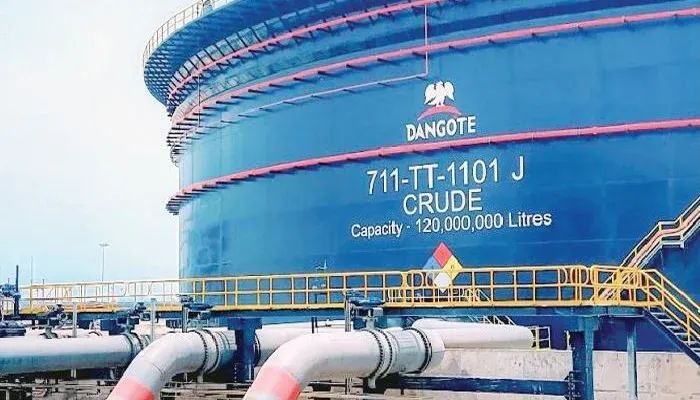
Move follows concerns over fuel quality, product blending and rising petrol imports that are forcing the refinery to export excess stock
The Dangote Petroleum Refinery and Petrochemicals is considering stopping the sale of petrol to major oil marketers who continue to import Premium Motor Spirit into Nigeria, amid growing concerns over fuel quality and the blending of imported petrol with products supplied by the refinery.
The proposed measure could take effect as early as this week, although it is understood that further consultations and possible last-minute interventions could still affect the decision.
Sources familiar with the development said the refinery is particularly concerned about reports that some marketers are importing petrol and mixing it with PMS purchased from Dangote before distributing the blended product to consumers.
The development has raised concerns at the $20bn Lekki-based refinery over product traceability and quality control, particularly where fuel supplied by Dangote could become mixed with imported products before reaching filling stations.
A senior refinery official, who spoke on condition of anonymity because he was not authorised to comment publicly, said the situation could undermine the reputation of the refinery and create uncertainty about the quality of products being sold to Nigerian motorists.
The official questioned why the refinery should invest heavily in producing petroleum products for the domestic market only for its products to be mixed with imported fuel of uncertain quality.
Dangote is also reportedly concerned about the quality-control framework surrounding imported petrol, including the availability of adequate laboratory facilities capable of independently testing and certifying imported PMS to ensure it meets required specifications.
Rising imports create fresh pressure
The latest development comes shortly after the Dangote refinery raised concerns over the increasing volume of petrol imports into Nigeria despite the availability of domestic refining capacity.
According to the refinery, imported PMS accounted for about 43 per cent of petrol supplied to the Nigerian market in July.
Dangote argued that the continued issuance of petrol import licences was creating uncertainty around domestic demand, making it increasingly difficult for the refinery to plan production and manage its inventories efficiently.
The refinery said it had maintained sufficient petrol stocks and reserved volumes to guarantee steady supplies to Nigerian consumers.
However, it warned that maintaining large quantities of petrol in storage indefinitely was becoming commercially unsustainable when it could not accurately determine how much imported fuel would enter the market.
The refinery said excess petrol that could not be absorbed locally would eventually have to be exported to regional and international markets.
Dangote seeks greater certainty
The proposed decision to restrict sales to marketers who continue importing petrol represents a significant escalation in the refinery's response to the growing competition from imported PMS.
Rather than simply raising concerns about the impact of imports on its operations, Dangote is now considering a direct commercial response that could prevent some marketers from simultaneously buying locally refined petrol and bringing competing products into the country.
The development could further intensify the debate over Nigeria's petrol supply strategy as the country seeks to balance domestic refining capacity, fuel imports, competition among marketers and the need to guarantee quality products for consumers.
For motorists, any major change in the relationship between Dangote and fuel marketers could also have implications for petrol availability, distribution and pump prices, depending on how marketers respond and whether alternative sources of supply are available.
The situation is expected to remain under discussion as stakeholders consider the potential consequences of restricting supplies to importing marketers and the broader impact of rising petrol imports on Nigeria's emerging domestic refining industry.
Leave a comment
Your email address will not be published. Required fields are marked *