

Accra demands firm guarantees for the safety of its citizens following deadly violence and mass repatriation of Ghanaians
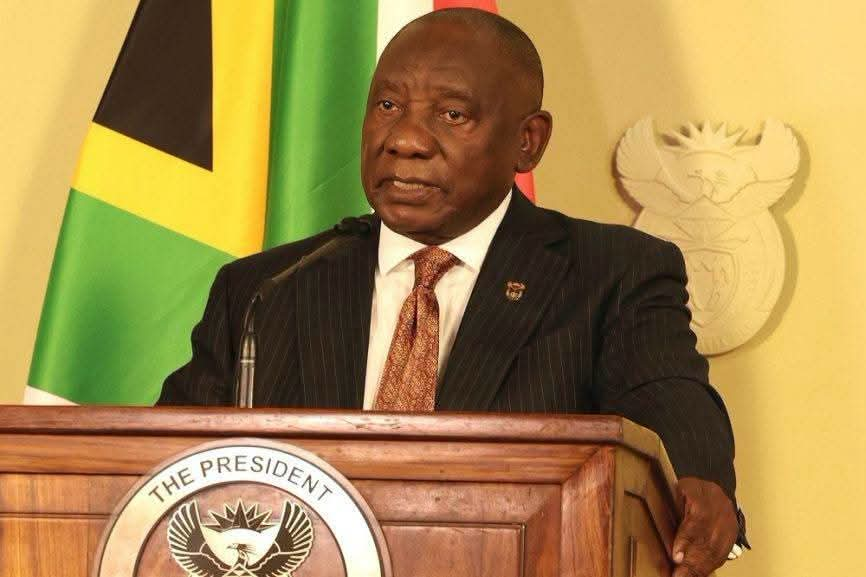
Ghana has declined a proposed state visit by South African President Cyril Ramaphosa, citing growing concerns over xenophobic violence targeting foreign nationals, including Ghanaians, in South Africa.
Diplomatic sources in Accra confirmed that the decision followed recent attacks that led to the death of a Ghanaian citizen on June 30, alongside reports of harassment and intimidation of other African migrants. In response to the escalating tensions, more than 1,000 Ghanaians have been repatriated from South Africa as a precautionary measure.
The Government of Ghana has formally communicated to Pretoria that concrete and verifiable steps must be taken to ensure the safety and protection of Ghanaian nationals before any high-level diplomatic engagement can proceed. Officials stressed that assurances alone would not suffice, insisting on tangible actions to curb the violence and prevent further incidents.
The move signals a firm diplomatic stance by Accra, prioritizing the security of its citizens amid recurring episodes of xenophobic unrest in South Africa. Analysts say the decision could influence broader regional discussions on the treatment of African migrants and the responsibilities of host governments.
South Africa has faced periodic outbreaks of xenophobic violence over the years, often directed at migrants from other African countries, raising concerns among governments across the continent.
While Pretoria has yet to issue a detailed response to Ghana’s position, observers note that the development may place additional pressure on South African authorities to address the root causes of the unrest and strengthen protections for foreign nationals.
Leave a comment
Your email address will not be published. Required fields are marked *