

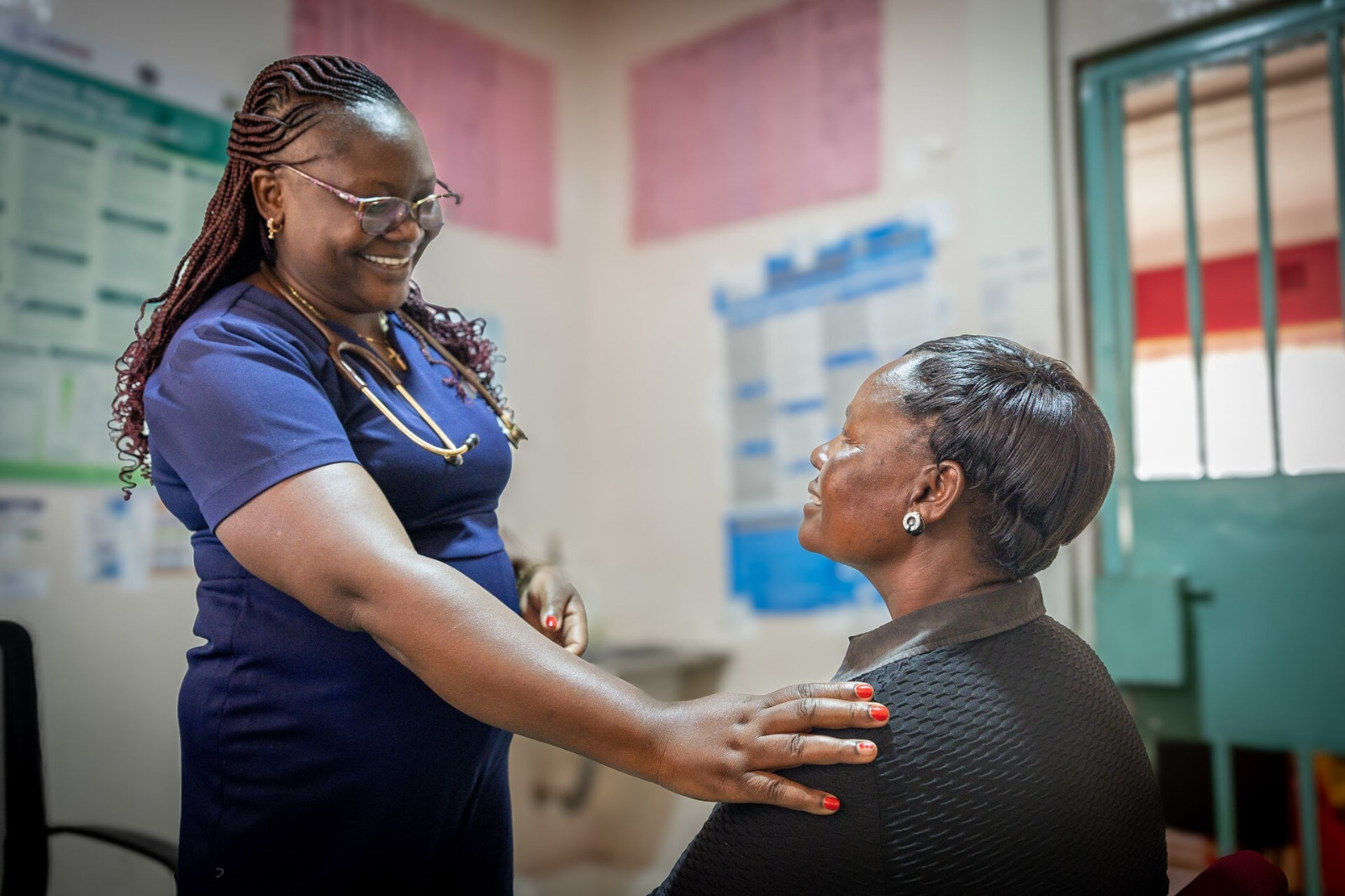
Over 26,000 deaths recorded daily as preventable risk factors drive nearly 40% of cases; urgent action needed to curb projected rise to 35 million diagnoses by 2050
The global burden of cancer continues to rise at an alarming rate, with more than 26,000 people dying from the disease every day, according to new data highlighted by the World Health Organization (WHO).
An estimated 20.6 million people are diagnosed with cancer annually, while close to 10 million lives are lost each year. Health experts warn that without immediate and coordinated global action, the number of new cancer cases could climb sharply to nearly 35 million by 2050.
The WHO attributes a significant proportion of cancer cases—almost four in ten—to preventable risk factors. These include tobacco use, harmful alcohol consumption, physical inactivity, unhealthy diets, and infections that can be prevented through vaccination.
Public health authorities are emphasizing the importance of prevention and early detection as key strategies in reducing the global cancer burden. Recommended measures include avoiding tobacco, limiting or eliminating alcohol intake, maintaining a healthy weight through regular physical activity, and receiving vaccines such as those for human papillomavirus (HPV) and hepatitis B.
Experts also stress the need for routine cancer screenings and prompt medical attention for unusual changes in the body, noting that early diagnosis significantly improves treatment outcomes and survival rates.
Beyond its physical impact, cancer continues to impose a heavy emotional and financial toll on individuals and families. More than half of those affected report experiencing mental health challenges, while at least 45 percent face financial hardship linked to treatment costs and loss of income.
Health advocates argue that access to cancer care remains deeply unequal across regions and income levels. They insist that where a person lives or their financial status should not determine their chances of survival.
The WHO is calling on governments, healthcare systems, and stakeholders worldwide to strengthen prevention policies, expand access to early detection and treatment, and address disparities in cancer care as part of a broader effort to reduce the growing global burden of the disease.
Leave a comment
Your email address will not be published. Required fields are marked *