

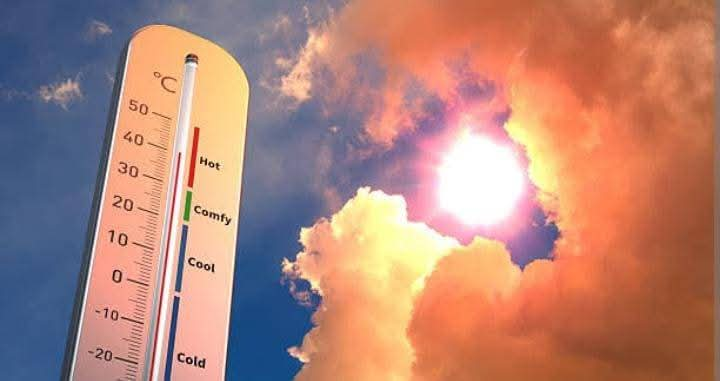
Environment Commissioner Tokunbo Wahab warns that changing climate patterns and the approaching dry season could trigger unusual temperatures, heatstroke and worsening air quality, urging residents to take precautions.
The Lagos State Government has warned residents to prepare for possible extreme heat, dehydration and heatstroke as the state faces emerging climate risks linked to the El Niño weather pattern and the transition into the dry season.
The government said changing weather conditions could trigger unusually high temperatures, prolonged dry spells, increased dust levels and deteriorating air quality, raising concerns about public health and environmental safety across the state.
Lagos State Commissioner for the Environment and Water Resources, Tokunbo Wahab, issued the warning on Friday, urging residents, employers, schools and community leaders to take preventive measures before conditions become more severe.
According to Wahab, Lagos could be particularly vulnerable because of its high population density, rapid urbanisation and concentration of buildings, roads and other infrastructure that absorb and retain heat.
He explained that some densely populated neighbourhoods, particularly informal settlements with limited green spaces and poor ventilation, could experience more intense temperatures.
Wahab said the combination of the strengthening El Niño climate pattern and the seasonal transition into the dry season could contribute to unusual temperature conditions, dry spells, dust and increased discomfort.
Although the actual severity of the weather conditions would depend on prevailing atmospheric patterns, the commissioner stressed that residents should not wait until extreme temperatures occur before taking precautions.
Children, pregnant women and outdoor workers at greater risk
The government warned that prolonged exposure to excessive heat could result in dehydration, heat exhaustion and heatstroke, potentially leading to serious health complications if not addressed promptly.
Wahab identified children, older persons, pregnant women, outdoor workers, street traders, construction workers, waste handlers and people living with underlying health conditions as particularly vulnerable.
He urged families, employers and school authorities to pay special attention to these groups and provide necessary protection against excessive heat.
The commissioner also advised residents to drink sufficient water regularly, wear lightweight and breathable clothing, avoid prolonged exposure to direct sunlight and seek shade or well-ventilated environments.
He further recommended reducing strenuous outdoor activities, particularly during the hottest periods of the day.
Lagos raises concerns over worsening air quality
Beyond the health risks associated with extreme temperatures, the state government expressed concern that the dry season could worsen Lagos's existing air-quality challenges.
Wahab explained that increased dust and haze could aggravate respiratory problems, particularly among people living with asthma and other respiratory conditions.
He also warned that increased dependence on petrol- and diesel-powered generators during electricity interruptions could further contribute to air pollution in some communities.
Residents were consequently advised to avoid open burning of refuse, limit exposure to dusty environments and comply with relevant health and air-quality advisories.
The commissioner called on schools, markets, workplaces and other public facilities to provide adequate ventilation, drinking water and shaded spaces where people could take breaks.
Residents urged to recognise symptoms of heatstroke
The Lagos Government also urged residents to familiarise themselves with the warning signs of heat-related illnesses to prevent minor symptoms from developing into life-threatening emergencies.
According to Wahab, symptoms include excessive sweating, dizziness, headaches, general weakness, nausea and muscle cramps.
He advised anyone experiencing such symptoms to move immediately to a cooler environment, begin cooling measures and seek medical attention where necessary.
The commissioner particularly warned that sudden collapse or loss of consciousness should be treated as a medical emergency requiring immediate attention.
Government calls for environmental action
Wahab said tackling the emerging climate risks would require coordinated efforts involving government agencies, healthcare institutions, businesses, environmental experts and community stakeholders.
He encouraged residents and businesses to protect existing trees, plant more trees, preserve green spaces, dispose of waste responsibly and discourage activities that contribute to environmental degradation.
According to him, the Lagos State Government, through the Ministry of the Environment and Water Resources and its agencies, would continue public awareness campaigns and strengthen preparedness measures.
He added that the state would work with the Nigerian Meteorological Agency (NiMet), the Lagos State Ministry of Health and the Lagos State Emergency Management Agency to improve monitoring, public education and responses to emerging environmental threats.
The government urged residents to take the warning seriously and adopt preventive measures to protect themselves and their families as the state approaches another dry-season period.
Leave a comment
Your email address will not be published. Required fields are marked *