

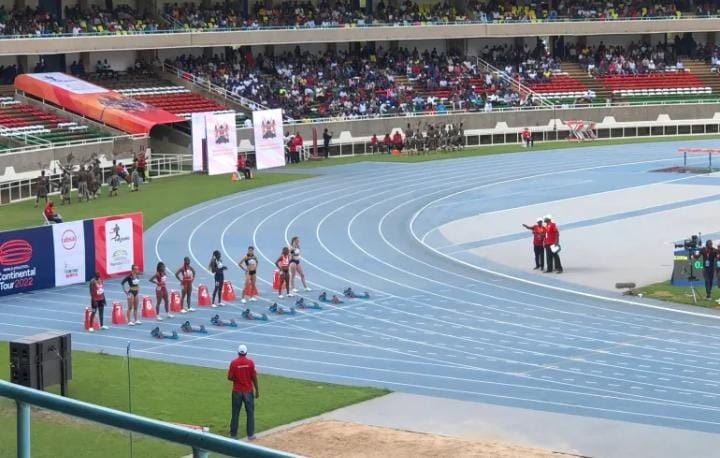
Kenya’s selection marks a historic milestone for African athletics, but the country faces major tests over infrastructure, event organisation and anti-doping compliance ahead of the global competition.
Nairobi will make history in 2029 when it becomes the first African city to host the World Athletics Championships, bringing the sport’s biggest global track and field competition to a continent that has produced some of its greatest champions.
Kenya’s selection marks a major milestone for African athletics and recognises the country’s decades long contribution to the sport, particularly in long-distance running.
Established in 1983 in Helsinki, Finland, the championships have grown into one of the most prestigious events on the international sporting calendar.
Africa’s influence on athletics dates back
decades, with Ethiopia’s Abebe Bikila becoming the first African to win Olympic marathon gold in 1960.
Kenya later emerged as a distance-running powerhouse, led by legends such as Kipchoge Keino, Paul Tergat, David Rudisha, Eliud Kipchoge and Faith Kipyegon. Kenya is currently the second most successful nation in World Athletics Championships history.
ALSO READ: CAF Reverses AFCON Four-Year Plan, Restores Traditional Two-Year Tournament Cycle
Keino, a two-time Olympic champion, described Nairobi’s selection as a proud moment for the country and a reward for generations of athletes who helped establish Africa’s place in global athletics.
He said hosting the championships would allow Kenya to move from sending athletes abroad to compete to welcoming the world on home soil, while showcasing its sporting talent, culture and hospitality.
Kenya secured the hosting rights following a three-year campaign, beating competing bids from London, Rome and Munich at a World Athletics Council meeting in Budapest on September 15.
The country's proposal highlighted renovations at Kasarani Stadium ahead of the 2027 Africa Cup of Nations, as well as its experience hosting the 2017 World Under-18 Championships and the 2021 World Under-20 Championships.
World Athletics president Sebastian Coe described Nairobi’s bid as compelling and emotional, praising the strength of the competing proposals.
However, the historic opportunity comes with significant challenges, particularly over doping concerns Figures reported following the announcement indicated that 318 Kenyan athletes had been sanctioned for anti-doping violations since the Athletics Integrity Unit was established in 2017, with 136 still serving bans at the time.
Recent high-profile cases involving marathon world-record holder Ruth Chepngetich and former half-marathon world-record holder Kibiwott Kandie have kept scrutiny on the country’s anti-doping system.
Although Kenya was removed from the World Anti-Doping Agency’s compliance watchlist in 2026 after corrective measures, maintaining confidence in its testing and enforcement systems will be crucial.
Beyond tackling doping, Nairobi must demonstrate that it can deliver an event of this scale by upgrading stadiums, training facilities, transport networks, accommodation, security and medical services.
Thousands of athletes, officials, journalists and spectators are expected to converge on the city, placing its infrastructure and organisational capacity under international scrutiny.
For Kenya, the 2029 championships will therefore be more than a sporting celebration: they will be an opportunity to demonstrate that Africa can successfully host one of the world’s biggest athletics events.
Leave a comment
Your email address will not be published. Required fields are marked *