

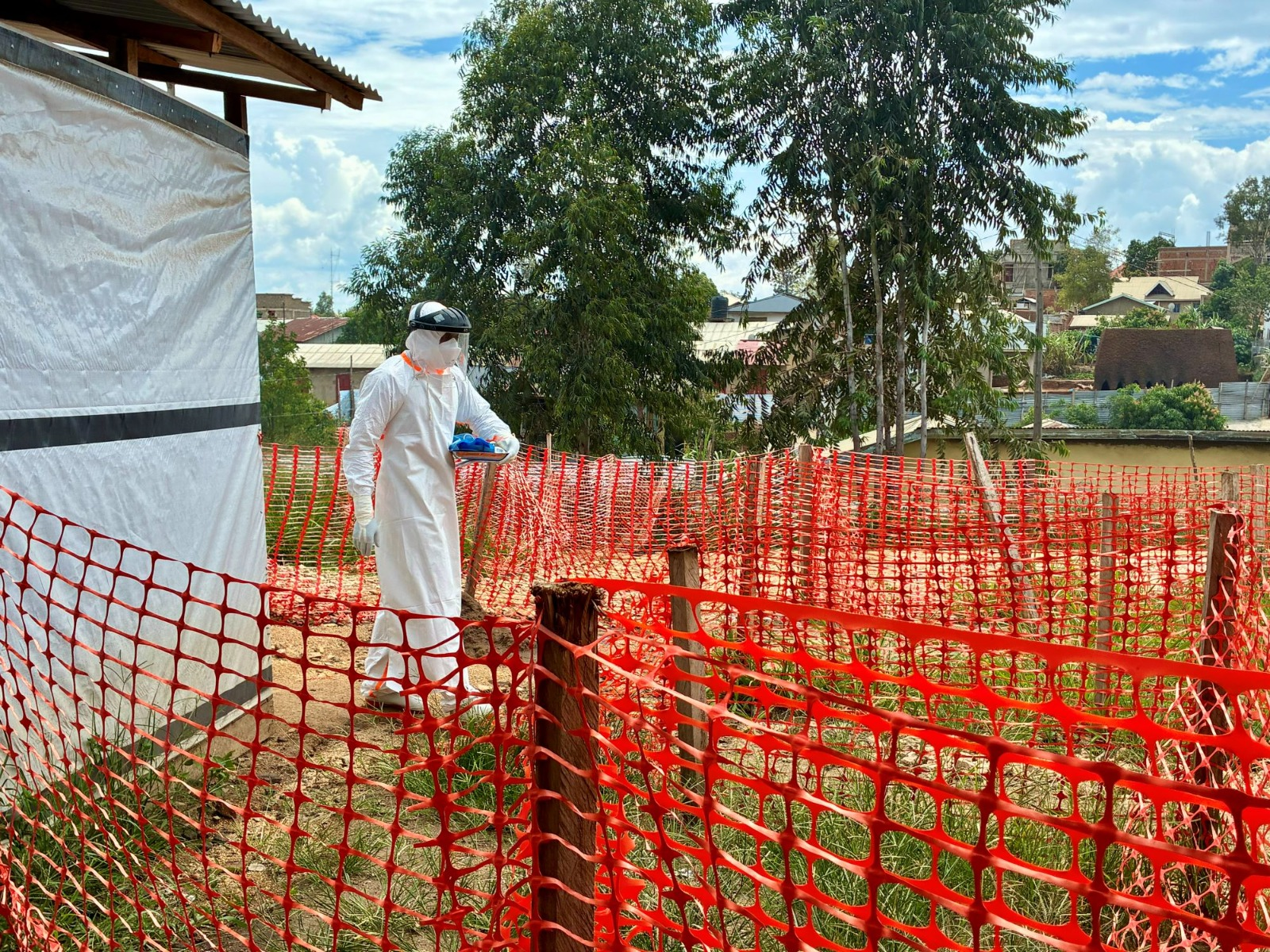
More than 2,600 patients have recovered from Bundibugyo virus disease, while health authorities expand testing, treatment and research efforts to contain the deadly outbreak.
The Democratic Republic of the Congo (DRC) is facing a major public health emergency as its Bundibugyo virus disease outbreak approaches 10,000 confirmed cases, with nearly 5,000 deaths recorded.
The outbreak, caused by the Bundibugyo virus, a type of Ebola virus, has placed enormous pressure on healthcare services and prompted intensified efforts by Congolese authorities and international health partners to prevent further transmission.
According to the latest available figures, the outbreak has claimed thousands of lives. However, more than 2,600 patients have recovered, offering some hope amid the continuing health crisis.
The World Health Organization (WHO) and its partners are supporting the government-led response through expanded testing, treatment services, surveillance and other measures designed to identify infections and limit the spread of the disease.
Vaccine and Treatment Research Underway
Efforts to develop effective medical interventions are also progressing, with clinical trials of candidate vaccines and treatments underway.
Researchers are working to establish which interventions could provide effective protection against the Bundibugyo virus and improve outcomes for infected patients.
ALSO READ: Nigeria Confirms Ebola Case in Abuja, 44 Contacts Placed Under Surveillance
https://dailyobserver.ng/nigeria-confirms-ebola-case-in-abuja-44-contacts-placed-under-surveillance
However, there are currently no approved vaccines or specific antiviral treatments for Bundibugyo virus disease. Medical care focuses on supportive treatment, early detection and managing complications.
Health authorities continue to emphasise the importance of identifying cases quickly and ensuring that infected people receive appropriate medical attention.
Access to Affected Communities Remains a Challenge
Despite the expansion of testing and treatment capacity, containing the outbreak remains difficult.
Limited access to some affected communities, insecurity and challenges in reaching patients can hinder surveillance, contact tracing and the delivery of healthcare services.
Public cooperation is also critical. Health officials are urging response teams to strengthen engagement with local communities, address concerns and build trust so residents are more willing to report symptoms, seek medical attention and participate in outbreak-control activities.
Reaching remote and high-risk communities is particularly important to identifying infections before the virus spreads further.
Sustained Efforts Needed to Stop Transmission
The WHO and its partners have stressed that continued action will be necessary to bring the outbreak under control.
Priority measures include expanding testing and treatment, improving access to affected areas, strengthening surveillance and maintaining effective communication with communities.
Although the number of recoveries and the expansion of medical services demonstrate progress, the high death toll highlights the severity of the outbreak and the urgent need for sustained intervention.
Health authorities face the challenge of interrupting transmission while ensuring that affected communities receive timely care and reliable information.
The ongoing response will depend on cooperation between the Congolese government, international health organisations, medical researchers and local communities.
Leave a comment
Your email address will not be published. Required fields are marked *