

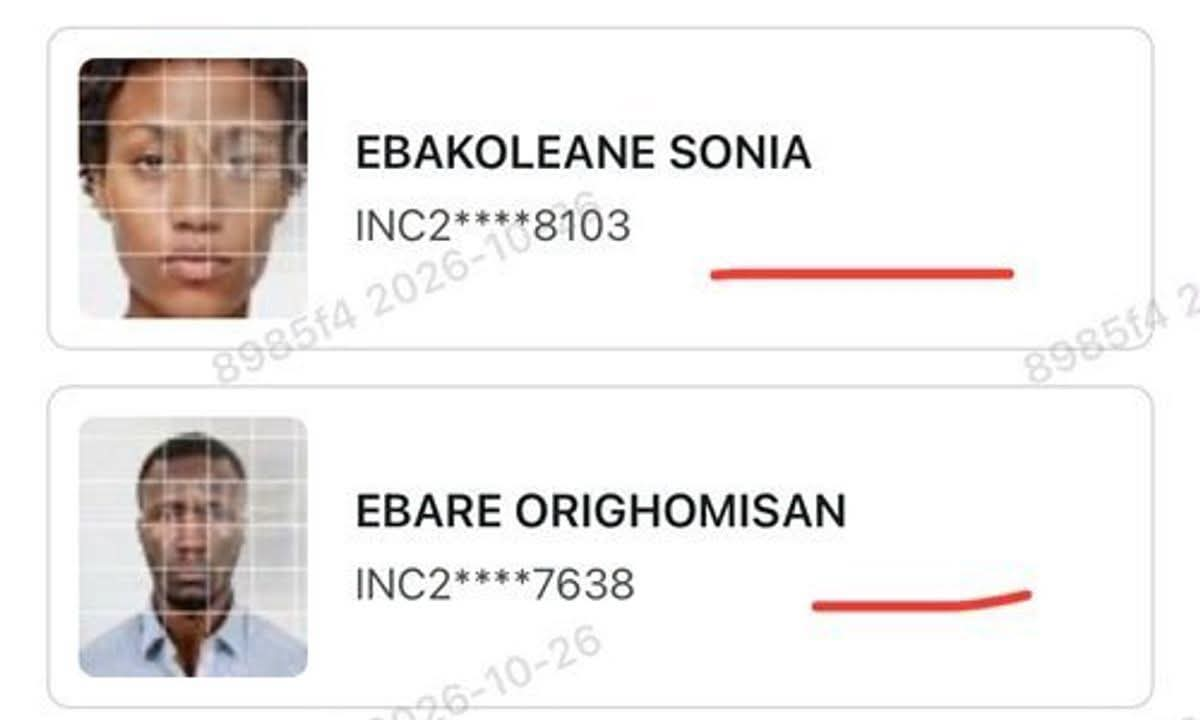
Social media users question the credibility of the preliminary voters’ register published ahead of the 2027 elections, demanding urgent explanations from INEC over alleged fake profiles, duplicate records and suspected deceased voters.
Nigerians have expressed outrage over allegations that the preliminary voters’ register published by the Independent National Electoral Commission (INEC) contains AI-generated photographs, duplicate voter profiles and potentially suspicious registration details ahead of the 2027 general elections.
The controversy erupted on Monday after the electoral commission made the preliminary register available online, prompting social media users to scrutinise the records and raise questions about the accuracy and credibility of the data.
Several users alleged that some entries featured artificial intelligence-generated images, while others claimed to have identified duplicate profiles carrying similar photographs and identification details but different voter numbers.
There were also claims that some deceased individuals remained listed in the register, although these allegations have not been independently verified.
The development has triggered widespread criticism, with concerned Nigerians demanding that INEC explain how the disputed entries entered the database and what measures are in place to prevent irregularities before the 2027 elections.
The allegations have also fuelled fears about the integrity of the electoral process, with some users accusing the commission of failing to safeguard the voters’ register. However, the claims circulating online do not, on their own, establish that the electoral body deliberately manipulated the register or that the alleged irregularities would enable multiple voting.
Nigerians Demand Answers From INEC
Reacting to the controversy, social media user @Umeh accused the electoral establishment of undermining public confidence in the voting process.
“They keep saying get your voters card, but behind the scene they are working to make your votes invalid,” the user wrote, expressing concern over the alleged AI-generated images and the political controversy surrounding the electoral body’s leadership.
The user also questioned how an institution responsible for conducting credible elections could face such allegations ahead of a major national poll.
Former presidential adviser Pat Utomi also weighed in on the controversy, stressing that INEC must protect the credibility of the electoral process.
“INEC cannot afford to be careless with the credibility of Nigeria’s electoral process,” Utomi wrote.
He argued that the reported presence of AI-generated photographs in a register intended to support democracy raised serious questions about verification procedures, transparency and accountability.
Another user, @stevekay, expressed doubts about the commission’s ability to conduct credible elections in 2027, declaring that the allegations had further damaged public confidence in INEC.
Similarly, @anas alleged that the disputed images could be part of an attempt to create fictitious voters to benefit the ruling All Progressives Congress (APC). The user, however, provided no independently verified evidence establishing such a motive.
Edo State Voters’ Register Under Scrutiny
Much of the online criticism focused on alleged irregularities in Ward 11, Etsako West Local Government Area of Edo State.
In a post directed at INEC, user @Sule demanded clarification over photographs allegedly identified as AI-generated in the register for the area.
The user questioned who captured the images, how the individuals were registered and whether permanent voter cards (PVCs) had been issued to the people associated with the disputed profiles.
“Dear @inecnigeria can you explain why you have AI Generated images on the INEC Register in polling units in Ward 11, Etsako West LG, Edo State,” the user wrote.
The post called on the electoral commission to explain how the images appeared in the database and identify those responsible for the registration and verification process.
Another user, @Micfobiz, also urged INEC to investigate the alleged fake photographs, describing the matter as one requiring urgent clarification.
The claims have raised questions among social media users about the verification of photographs and personal information contained in the register. However, the authenticity of the images and the circumstances surrounding the disputed entries would need to be established through a proper investigation.
Allegations of Duplicate Voters Spark Election Fears
The controversy escalated as other users alleged that the register contained multiple entries with similar photographs and identification details but different voter numbers.
User Morris Monye suggested that duplicate entries could create opportunities for electoral malpractice if the alleged irregularities were not identified and corrected before the elections.
“This is how INEC wants to run the 2027 election and opposition are looking,” Monye wrote, warning against what he described as possible manipulation of the register.
Another user, @felix, claimed that the online register contained millions of duplicated records, including entries allegedly sharing photographs and National Identification Numbers (NINs) while carrying different voter identification numbers.
The user also claimed that some people had identified deceased relatives who remained listed years after their deaths.
These claims have not been independently confirmed, and the exact number, nature and significance of any duplicate records remain unclear.
Nevertheless, the allegations have intensified calls for INEC to ensure that the preliminary register is thoroughly scrutinised and that any genuine errors are corrected before the final register is used for the 2027 general elections.
Calls for Political Leaders to Intervene
The dispute has also drawn calls for opposition politicians and civil society figures to intervene.
User @bright appealed to opposition figures, including Peter Obi, Atiku Abubakar, Rabiu Kwankwaso and Rotimi Amaechi, to publicly address the controversy.
The user alleged that AI-generated images had been used to populate the voters’ register and urged prominent Nigerians to demand accountability from the electoral commission.
Meanwhile, @Ken called for stronger public action, arguing that the reported irregularities represented a serious threat to electoral credibility.
The user also demanded the resignation of INEC Chairman Joash Amupitan, although the post did not establish evidence linking him personally to the alleged entries.
Other reactions accused the commission of wasting public funds and questioned whether personal information, including NIN details, could have been misused. Those allegations also remain unverified.
INEC Faces Pressure to Restore Public Confidence
The controversy comes at a sensitive time as political parties, aspirants and voters prepare for the 2027 general elections.
The accuracy of the voters’ register is central to credible elections because it helps determine who is eligible to vote and provides the basis for organising polling units and electoral activities.
While duplicate or inaccurate records, if confirmed, would warrant investigation and correction, the presence of a suspicious photograph alone does not establish that a person is fictitious, that a voter has been registered multiple times or that multiple voting has occurred.
INEC would need to examine the disputed entries, clarify the verification process and explain how members of the public can report suspected errors or fraudulent profiles.
The commission’s response will be important in determining whether the allegations reflect genuine flaws in the preliminary register, misunderstandings about how the online database displays information, or other issues requiring corrective action.
As Nigerians continue to demand answers, the central question remains whether INEC can demonstrate that the register is accurate, transparent and sufficiently protected against manipulation before the 2027 polls.
Leave a comment
Your email address will not be published. Required fields are marked *