

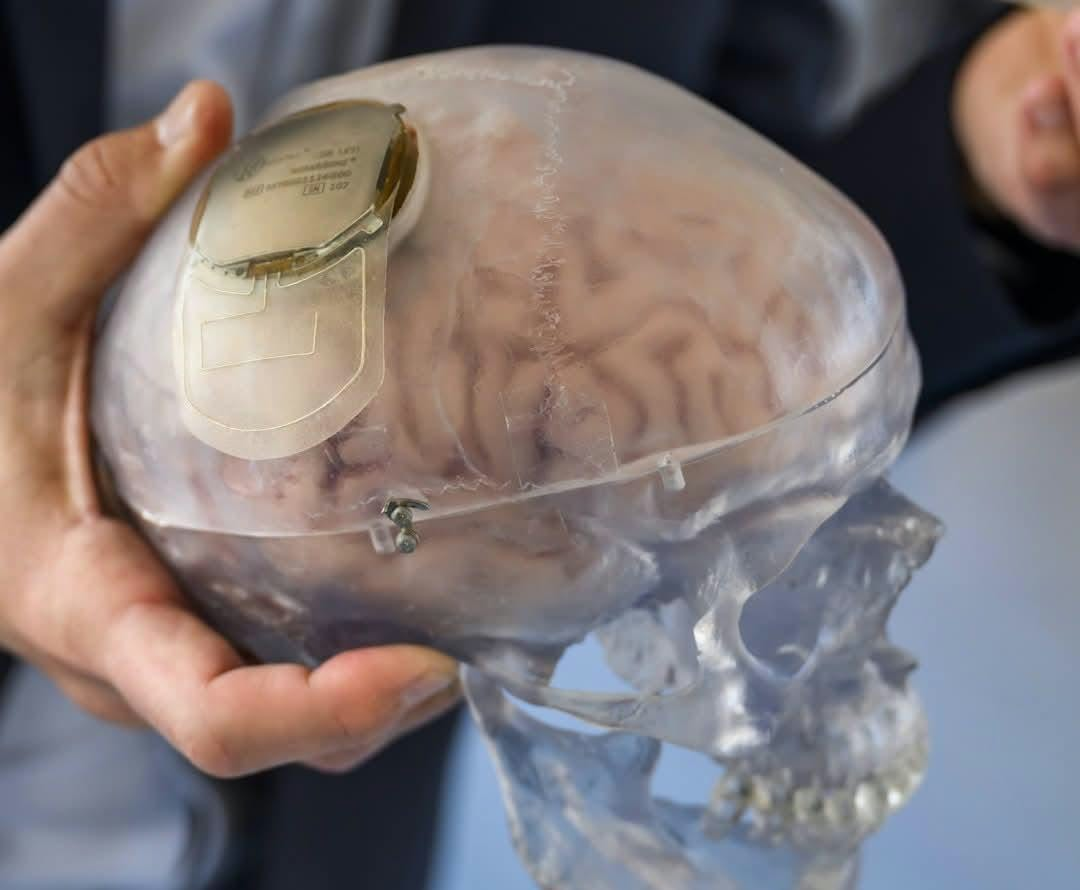
The NEO brain-computer interface, developed by Shanghai-based Neuracle Medical Technology, translates brain signals into commands for a robotic glove, marking a significant step towards restoring movement in people with spinal cord injuries.
China has approved a brain-computer interface (BCI) implant for commercial medical use, marking a major milestone in the development of technology designed to help people with paralysis regain some independence.
The device, known as NEO, was developed by Shanghai-based Neuracle Medical Technology. It is designed to help eligible patients with certain spinal cord injuries regain the ability to grasp and handle objects by translating brain activity into commands that control a robotic glove.
The approval places China at the forefront of the emerging market for commercially approved invasive brain-computer interface technology, intensifying attention on a field also being pursued by Elon Musk's Neuralink in the United States.
How the NEO Brain Implant Works
The coin-sized implant records electrical signals associated with a patient's intention to move their hand. Specialised software interprets those signals and converts them into instructions that operate a robotic glove, helping the user open and close their hand.
The technology is intended for adults with specific spinal cord injuries who have lost the ability to grip objects but retain some movement in their upper arms.
For people who struggle with everyday tasks because of paralysis, the system could offer a new way to perform basic actions, potentially improving their independence and quality of life.
Unlike some brain-computer interfaces that place electrodes directly into brain tissue, NEO's electrodes sit beneath the skull but outside the brain's protective covering. This approach differs from systems that penetrate brain tissue to record neural activity.
However, the device is not a cure for paralysis. Its purpose is to help selected patients perform particular hand movements with the assistance of external technology.
China Gains an Early Commercial Lead Over Neuralink
The approval is a significant development in the competition to bring brain-computer interface technology out of research laboratories and into medical practice.
Neuralink, the neurotechnology company founded by Elon Musk, has been developing implantable systems intended to allow people with severe paralysis to interact with computers and other digital devices using brain signals. Its technology remains under clinical investigation in the United States.
NEO's approval gives China an early advantage in the commercial medical deployment of this particular type of invasive brain-computer interface. However, the two systems have different designs and intended applications, making direct comparisons complicated.
While NEO focuses on helping eligible patients regain hand function through a robotic glove, Neuralink has pursued a broader range of applications involving computer control and digital interaction.
The approval therefore does not mean China has surpassed Neuralink in every aspect of brain-computer interface research or technology.
A New Chapter in Paralysis Treatment
Brain-computer interfaces are attracting growing interest because they could create new ways for people with neurological injuries to interact with the world.
By connecting brain activity to external devices, the technology may help bypass damaged communication pathways between the brain and muscles. Depending on the system, these devices can support functions such as controlling a computer cursor, operating assistive equipment or assisting hand movements.
Nevertheless, questions remain about long-term safety, accessibility, cost and how well these devices will work outside controlled medical settings.
The commercial approval of NEO represents an important step towards making brain-computer interface technology available to patients beyond experimental research settings. Its real-world impact will depend on clinical outcomes, patient eligibility, rehabilitation needs and the ability to make the technology accessible to those who could benefit from it.
As China and other countries continue investing in neurotechnology, developments such as NEO could help shape the future of assistive medicine and the treatment of paralysis.
Leave a comment
Your email address will not be published. Required fields are marked *