

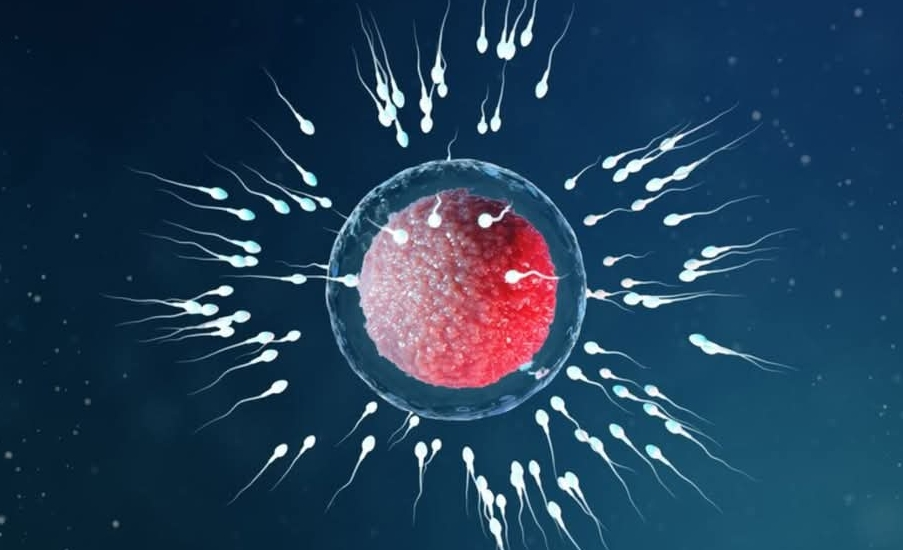
Prof. Oladapo Ashiru identifies environmental toxins, smoking, obesity and sexually transmitted infections as potential fertility risks, urging couples to prioritise reproductive health.
A leading Nigerian medical expert, Prof. Oladapo Ashiru, has raised concerns over declining sperm concentration among Nigerian men, warning that environmental pollution, unhealthy lifestyles and sexually transmitted infections could worsen infertility.
Ashiru, the President of the Academy of Medical Sciences, called for increased awareness of reproductive health and preconception care, stressing that infertility is a shared challenge that requires attention from both men and women.
He made the call on Saturday at an event organised by the Circle Mom Fertility Foundation, where the organisation's founder, Dr. Charles Ojeabuo, announced plans to provide 10 free in-vitro fertilisation treatments for financially disadvantaged couples struggling to conceive.
The initiative comes as the high cost of fertility investigations, medications and assisted reproductive procedures continues to make treatment inaccessible to many couples in Nigeria.
According to the World Health Organisation, approximately one in six people of reproductive age worldwide experience infertility during their lifetime. The organisation defines infertility as a condition of the male or female reproductive system in which pregnancy is not achieved after 12 months or more of regular, unprotected sexual intercourse.
Speaking at the event, Ashiru described infertility as a major global health concern, citing estimates of about 48 million couples and 186 million individuals affected worldwide.
He expressed particular concern about what he described as declining sperm concentration in Africa, especially Nigeria, warning that the trend could pose significant challenges to male reproductive health.
“We know that we have found out that in Africa, especially Nigeria, the sperm is decreasing. So, the male population is at risk due to decreased sperm concentration,” he said.
The professor cautioned against placing the entire burden of infertility on women, explaining that difficulties with conception can arise from factors affecting either partner.
“This problem affects both male and female. It’s not just the wife alone, but husband and wife,” he added.
Environmental toxins, lifestyle choices linked to fertility risks
Ashiru identified several factors that could affect reproductive health, including smoking, excessive alcohol consumption, obesity, poor nutrition and exposure to environmental toxins.
He also highlighted potential risks associated with pesticides, industrial chemicals, petrochemicals and diesel emissions, as well as certain substances found in plastics and cosmetics.
“We have smoking, excessive alcohol, obesity, poor nutrition, and exposure to environmental toxins. This is very important,” he said.
The medical expert further warned that sexually transmitted infections, including gonorrhoea, syphilis and chlamydia, could lead to reproductive complications and contribute to fertility problems if not properly managed.
He urged couples planning to have children to seek appropriate medical advice before pregnancy, adopt healthier lifestyles and address potential reproductive health risks early.
Ashiru also called on government institutions, fertility organisations and medical practitioners to intensify public education and provide greater support for people experiencing infertility.
Foundation offers 10 free IVF treatments
Meanwhile, Ojeabuo said the Circle Mom Fertility Foundation had spent the previous year providing free fertility counselling, consultations and registration for couples, alongside discounted treatments aimed at reducing the financial burden of care.
He said the offer of 10 free IVF treatments was part of the foundation's efforts to help couples who cannot afford fertility treatment pursue their dream of parenthood.
“Today we are giving 10 free IVF treatments for couples who are financially disadvantaged,” Ojeabuo said.
He added that financial difficulties should not prevent couples from accessing the medical support they need.
“We will ensure that people will not have to choose between financial limitation and their dream of parenthood. We will create the access, we will create the awareness and take action,” he said.
Ojeabuo disclosed that two families who benefited from the foundation's interventions in the previous year attended the event to share their experiences. He also said several other patients supported by the organisation were pregnant and awaiting delivery.
Infertility's emotional toll raises concern
Beyond the medical and financial challenges, Ojeabuo said infertility often receives insufficient attention because it does not necessarily leave patients physically incapacitated.
He stressed, however, that the condition can have serious emotional and psychological consequences for individuals and couples who struggle to conceive.
“Infertility is a health challenge. But people don’t pay so much attention to it because people are not bedridden from it,” he said.
He urged the public to recognise the psychological burden associated with infertility and called for stronger advocacy for accessible fertility treatment.
The foundation's initiative also received support from the Secretary to the Independent National Electoral Commission, Dr. Rose Oriaran-Anthony, who said her commitment to fertility support was influenced by personal experiences within her family.
Oriaran-Anthony disclosed that she had previously pledged to sponsor six women undergoing fertility treatment and later contacted Ojeabuo to help fulfil the commitment.
The intervention highlights growing efforts by individuals and organisations to improve access to fertility care in Nigeria, where treatment costs and limited awareness remain major challenges for many couples hoping to have children.
Leave a comment
Your email address will not be published. Required fields are marked *