

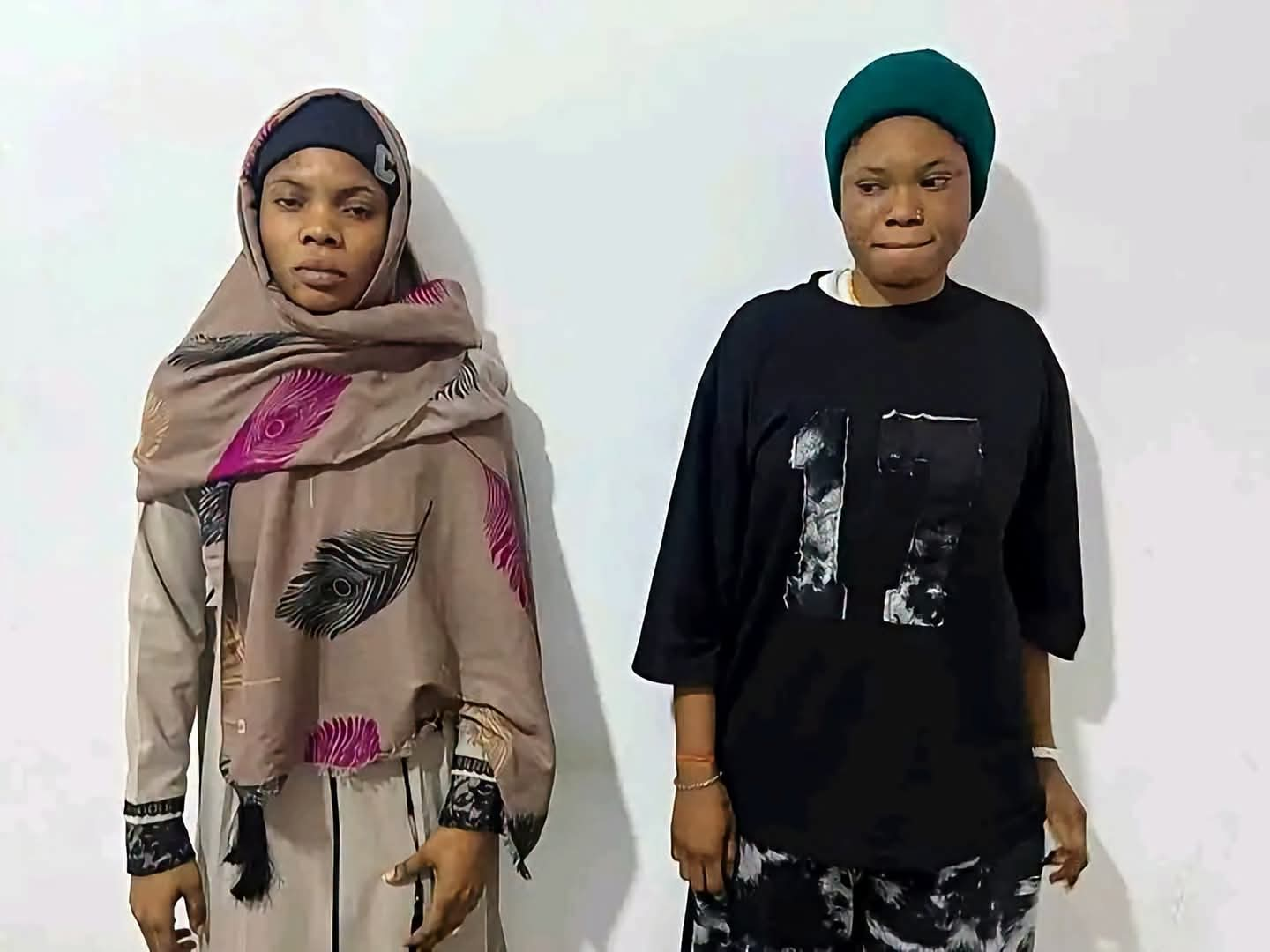
Reports that Libyan authorities have circulated images of Nigerians allegedly living with HIV have sparked concerns over discrimination against African migrants, with calls for a more humane approach to public health awareness.
Concerns have emerged over the treatment of Nigerian migrants in Libya following reports that authorities have circulated photographs of several Nigerians allegedly living with HIV.
Some of those reportedly identified include women accused of engaging in prostitution, although the allegations have not been independently verified.
The development has raised concerns about the possible consequences for Nigerians and other African migrants living in the North African country, particularly the risk of discrimination, harassment and hostility.
There are fears that the alleged exposure of individuals' health information could fuel negative perceptions of African migrants and encourage collective blame against innocent people who have no connection to the reported cases.
However, public health advocates have consistently emphasised that HIV status should never be used as a justification to humiliate, expose or persecute anyone.
Being diagnosed with HIV does not make an individual a threat to society. With proper medical care and access to treatment, people living with the virus can lead healthy and productive lives.
There is also a need to distinguish between individual conduct and nationality. The alleged actions of a few Nigerians should not be used to stereotype or target an entire population.
The situation has also renewed calls for the Nigerian government to strengthen public health education, sex education, HIV prevention initiatives, voluntary testing and access to treatment.
Beyond domestic interventions, the government is expected to pay attention to the welfare and protection of Nigerians living abroad, particularly migrants who may be vulnerable to exploitation, discrimination and abuse.
Public health concerns should be addressed through medical testing, education, counselling and treatment rather than public humiliation or xenophobic attacks.
As concerns surrounding the reported incident continue to grow, the fundamental message remains that protecting public health and respecting human dignity must go hand in hand. No one should be subjected to discrimination or persecution because of their HIV status or nationality.
Leave a comment
Your email address will not be published. Required fields are marked *