

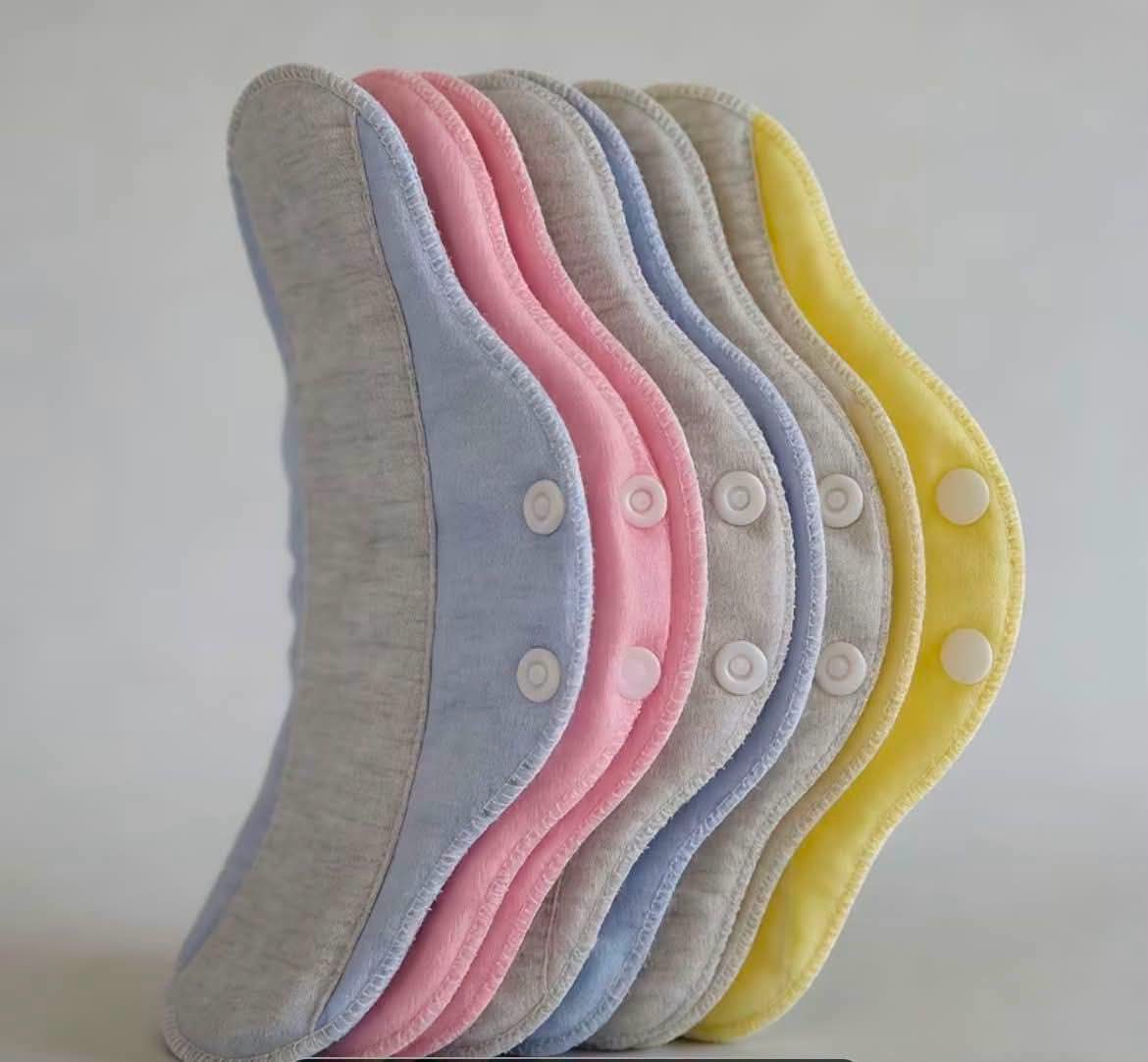
Women battling soaring sanitary-pad prices are turning to cut-up baby diapers and improvised cloth alternatives, while health experts warn that prolonged use could create new hygiene risks
A growing number of women are abandoning conventional sanitary pads for disposable baby diapers and improvised cloth materials as the rising cost of living makes menstrual hygiene increasingly difficult to afford.
The emerging practice, reported across both urban and rural communities, has evolved from what was initially seen as an unusual social-media “life hack” into a deeper economic and public-health concern.
For many women, however, the decision is less about trends than survival.
With inflation pushing up the prices of household essentials, sanitary products have increasingly competed with food, transport and other basic expenses. Women who experience heavy menstrual flow say the financial burden is particularly severe because they can exhaust several pads in a single day.
For some, baby diapers have become an unconventional but cheaper alternative.
Mrs Nefisat Amadu, a healthcare worker, said her heavy flow made conventional sanitary pads prohibitively expensive.
“I used to spend a significant chunk of my salary just managing my heavy flow every month.
“A single pad barely lasts three hours for me. But with a single size-2 baby diaper cut down the middle, I can get through an entire workday without a single stain or leak.
“Economically, it just makes sense, even if it feels incredibly degrading to buy baby products for myself.”
When sanitary products become a luxury
The shift underscores the growing pressure faced by women experiencing period poverty — a situation in which people cannot consistently afford or access adequate menstrual products and related hygiene facilities.
While some women are using baby diapers because they believe they offer greater absorbency, others have turned to pieces of clothing and other homemade alternatives.
For Mrs Jadesola Akinmorin, a lecturer, irritation and what she described as a skin infection after using a particular sanitary-pad brand changed the way she manages her menstrual cycle.
“I just tore one of my Ankara wrappers in pieces,” she said. “That is what I am currently using during my menstrual cycle, because the pad I was using almost made me run mad.”
Her experience reflects another factor driving the change: growing anxiety about the safety of menstrual products.
Health fears add to pressure
Concern over conventional sanitary pads has been amplified by widely circulated online reports about research said to have detected potentially harmful chemicals, including volatile organic compounds and heavy metals, in some menstrual products.
The reports have generated anxiety among consumers, particularly women who already experience irritation or contact dermatitis when using certain products.
But health professionals caution that abandoning sanitary pads without a safe alternative could create another set of problems.
Dr Marvel Abubakar, a gynaecologist, said baby diapers are designed primarily for urine rather than menstrual blood and tissue.
“Baby diapers are fundamentally engineered to absorb urine, which is a light, rapidly dispersing liquid,” he said.
“Menstrual discharge is entirely different; it is thicker, containing clotted blood and cellular tissue.
“Diapers lack the specific distribution layers required to handle clots, causing fluid to pool at the surface.”
According to Abubakar, the absorbency of diapers could also create a false sense of security, encouraging users to wear them for longer periods.
He warned that their bulky, heavily plasticised construction can trap heat, sweat and moisture around the vulval area, particularly in hot and humid environments.
Such conditions, he said, could encourage the growth of bacteria and fungi and potentially increase the risk of problems such as bacterial vaginosis and urinary tract infections.
Experts: Women should not have to choose between food and hygiene
The gynaecologist said the growing reliance on improvised menstrual products should be viewed as a symptom of a much larger socioeconomic problem rather than simply a question of individual choices.
He urged regulatory authorities to investigate concerns about chemical exposure from menstrual-hygiene products while calling for measures that would make essential menstrual products more affordable.
“Citizens shouldn’t have to choose between financial ruin and physical illness,” Abubakar said.
He also urged governments to consider reducing tariffs and other costs affecting basic menstrual-care products.
“Until systemic changes are made, the sight of adult women altering infant diapers will remain a stark symbol of a missing social safety net,” he said.
The development has also renewed calls from menstrual-health advocates for stronger support for pad banks and other initiatives designed to provide free or affordable menstrual products to women and girls facing financial hardship.
For the women caught in the middle, the issue is ultimately straightforward: menstruation is unavoidable, but access to safe menstrual care should not become another financial crisis.
Leave a comment
Your email address will not be published. Required fields are marked *