

The proposed 2027 refugee ceiling would largely benefit Afrikaners from South Africa, amid continued disagreement over claims of discrimination and persecution.
The administration of US President Donald Trump has proposed admitting up to 17,500 refugees to the United States in fiscal year 2027, with the majority expected to be South African Afrikaners, according to a notice submitted to Congress.
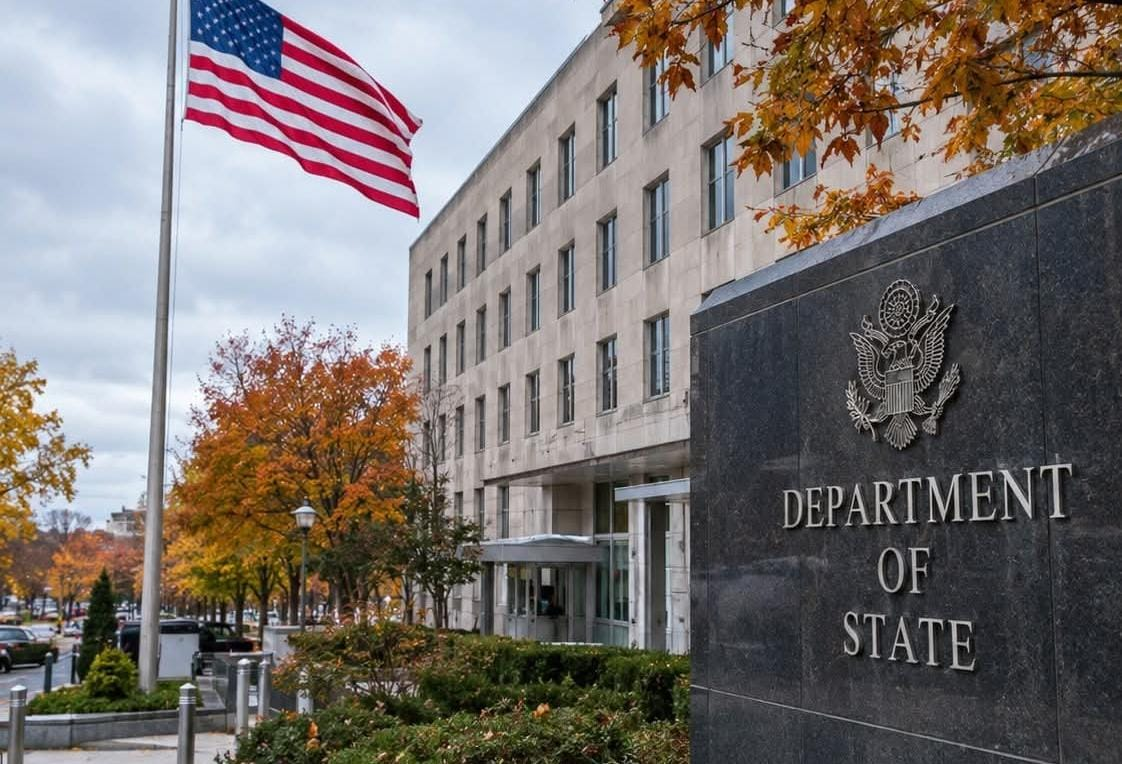
The US State Department said the proposed admissions would primarily consist of Afrikaners from South Africa, citing what the administration described as discrimination against the group.
The proposal represents a significant shift in the direction of the US refugee resettlement programme, which has traditionally focused on people fleeing war, persecution and other serious threats.
Trump has previously alleged that white South Africans, particularly Afrikaners, face persecution in South Africa. The South African government has strongly rejected allegations of a campaign of white genocide and has disputed claims that Afrikaners are being systematically targeted.
In its submission to Congress, the administration said it expects Afrikaners admitted under the programme to fully assimilate into American society. It also argued that their resettlement would help preserve taxpayer resources for US citizens.
The proposed refugee ceiling of 17,500 is expected to cost approximately $500 million, according to the administration's submission.
The administration had earlier increased the refugee allocation for South Africans to 17,500, compared with the previous overall refugee ceiling of 7,500 worldwide, citing an emergency determination.
The policy has attracted criticism from refugee advocates, who argue that prioritising one group could reduce resettlement opportunities for vulnerable people fleeing conflicts, persecution and humanitarian crises in other parts of the world.
The proposal is expected to shape the US refugee admissions programme for fiscal year 2027 if approved.
While the Trump administration maintains that Afrikaners qualify for protection because of alleged discrimination in South Africa, South African authorities have rejected the underlying claims.
Leave a comment
Your email address will not be published. Required fields are marked *