

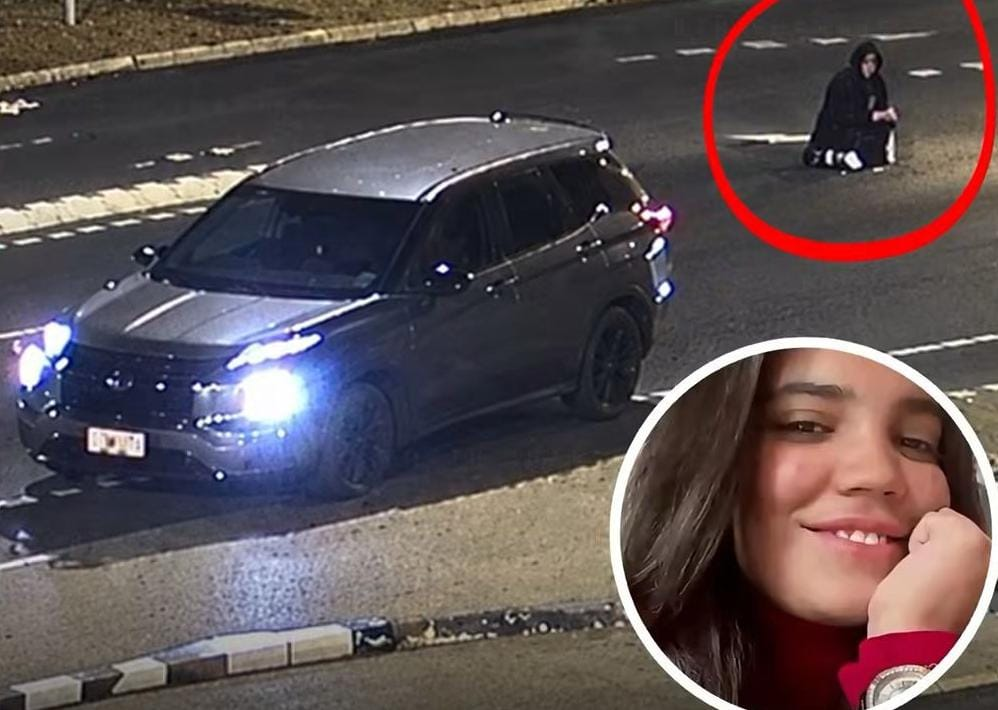
Ashton Friend received a suspended prison sentence and a 10-year driving ban after pleading guilty to causing death by careless driving and leaving the scene of the accident that killed international student Samia Malik in Adelaide.
ADELAIDE, Australia — A 20-year-old Australian driver has avoided immediate imprisonment after being sentenced over the death of Samia Malik, a 20-year-old Pakistani international student who was struck by his vehicle while kneeling in the middle of a road in Adelaide, South Australia.
Ashton Friend was sentenced to one year, three months and 29 days in prison after pleading guilty to causing death by careless driving and leaving the scene of an accident. However, the court suspended the sentence under a two-year good behaviour bond, allowing him to remain out of prison provided he complies with the conditions imposed.
Friend was also banned from driving for 10 years.
The case has drawn attention to the circumstances surrounding Malik's death, the driver's failure to stop after the collision and the court's decision to suspend the custodial sentence.
CCTV Footage Captured Moments Before the Fatal Collision
Evidence presented in court showed that Malik had been kneeling in the middle of the roadway for approximately four minutes before she was struck by Friend's vehicle.
Closed-circuit television footage reportedly showed her hands positioned as though she was praying shortly before the collision.
Friend told authorities that he had not seen Malik on the road. He initially believed his vehicle had struck an animal, according to the account presented in the case.
Rather than stopping immediately to investigate, Friend continued driving. Police identified him approximately one week after the incident.
The circumstances surrounding Malik's position on the road and the moments leading up to the collision formed part of the evidence considered in the case.
Court Hears Driver Was Not Speeding or Under the Influence
The court heard that Friend was not exceeding the speed limit and was not under the influence of alcohol or drugs at the time of the collision.
Nevertheless, he admitted guilt to two offences: causing death by careless driving and leaving the scene of an accident.
The resulting sentence included a custodial term, but its suspension means Friend will not serve that prison time unless the suspension is revoked under the applicable conditions.
The two-year good behaviour bond places him under an obligation to comply with the court's requirements during that period. The separate 10-year driving ban prevents him from legally driving for the duration of the disqualification.
Suspended Sentence Puts Accountability in Focus
Although the court imposed a prison sentence, the decision to suspend it means Friend will remain in the community rather than enter prison immediately.
The outcome highlights the distinction between a custodial sentence and an order requiring the offender to serve that sentence. It also brings renewed attention to how courts assess the circumstances of fatal road incidents, including the nature of the driving, the conduct of the driver after a collision and the seriousness of the consequences.
For Malik's family and those following the case, the loss of a young international student remains at the heart of the proceedings.
Her death has left difficult questions about road safety, responsibility and the consequences when a driver leaves the scene of a fatal collision.
The court has delivered its decision, but the case is likely to prompt further public discussion about how justice should balance punishment, rehabilitation and accountability when careless driving results in the loss of a young life.
Leave a comment
Your email address will not be published. Required fields are marked *