

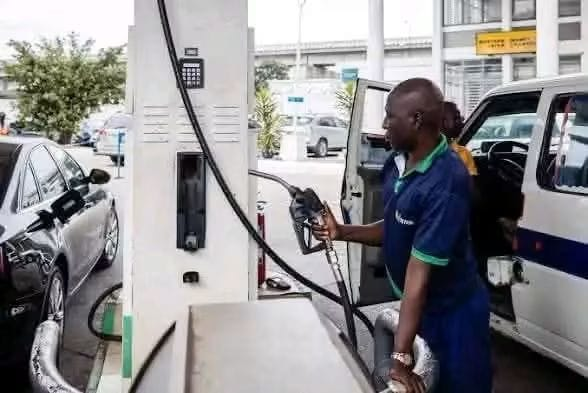
The latest ₦35 increase comes days after the national oil company reportedly reversed an earlier price hike, raising fresh questions about petrol pricing as the Federal Government discusses a proposed reduction.
The Nigerian National Petroleum Company Limited (NNPCL) has increased the pump price of petrol from ₦1,370 to ₦1,405 per litre, adding to the uncertainty surrounding fuel prices and a recently announced discount proposal.
Checks on Friday showed that petrol was selling at the new rate at NNPCL filling stations, representing an increase of ₦35 per litre.
Some fuel attendants, who spoke on condition of anonymity, said the new price was communicated on Thursday but took effect on Friday.
As of the time of filing this report, NNPCL had yet to publicly explain the reason for the latest adjustment.
The increase comes amid recent fluctuations in the company's petrol pricing. NNPCL had reportedly raised its pump price to ₦1,405 per litre before reverting to ₦1,370 per litre on Monday.
However, the latest adjustment has returned the price to its previous higher level, leaving motorists and other consumers facing renewed uncertainty over the cost of petrol.
The development has also stirred fresh questions about the consistency of pricing at NNPCL outlets, particularly as discussions continue over a proposed reduction in petrol prices.
On Thursday, the Minister of Finance, Taiwo Oyedele, announced a proposed fixed petrol gantry price of ₦1,375 per litre ahead of the presidential election scheduled for January 16, 2027.
The proposed gantry price has drawn attention because of its potential implications for petrol pricing, although a gantry price and the final pump price paid by consumers are not necessarily the same.
Gantry price refers to the price at which petrol is supplied from a depot, while the pump price is the amount motorists pay at filling stations. Distribution costs, transportation expenses and other pricing factors can affect the final retail rate.
With NNPCL now reportedly selling petrol at ₦1,405 per litre, consumers are likely to seek clarification on how the latest increase aligns with the proposed pricing arrangement and the broader discussion about fuel affordability.
For motorists and businesses already grappling with high transportation and operating costs, further changes in petrol prices could have wider implications for the cost of goods and services.
NNPCL's explanation for the latest increase, as well as further details on the proposed gantry price, will be crucial in clarifying what consumers should expect in the coming days.
Until then, the latest adjustment leaves Nigerians waiting for greater clarity on the direction of petrol prices.
Leave a comment
Your email address will not be published. Required fields are marked *