

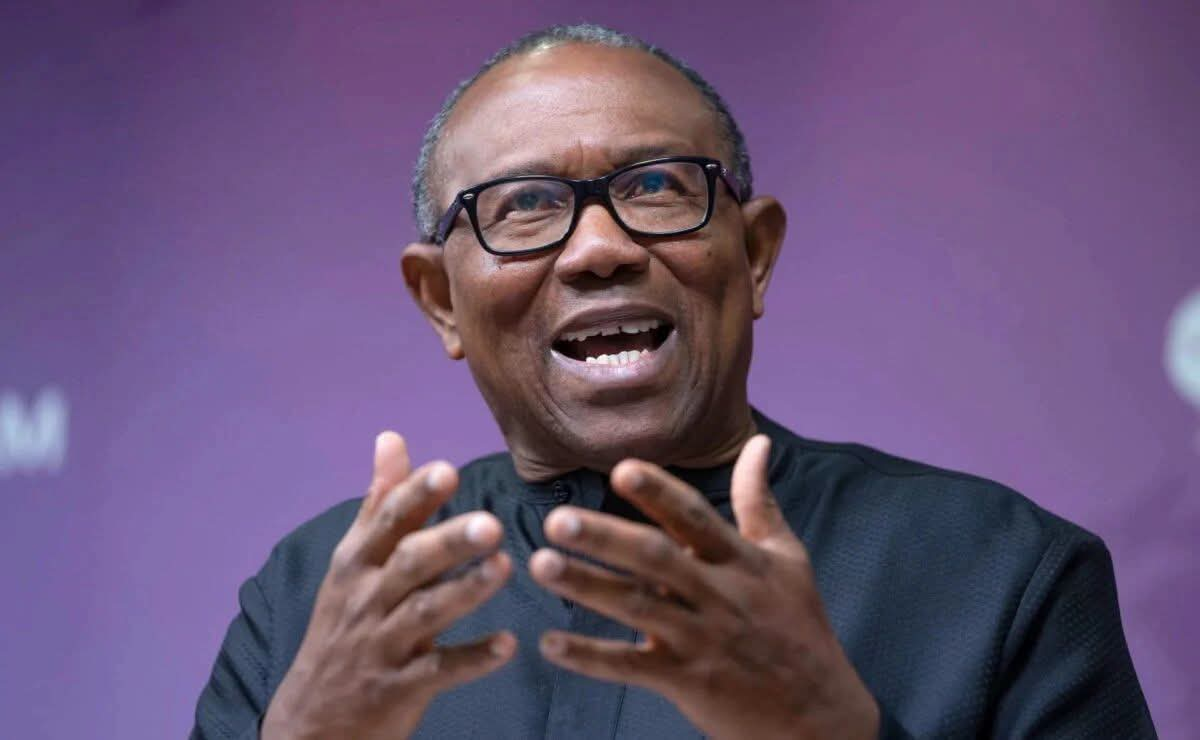
The NDC presidential candidate says the occasion should have provided an opportunity for national reflection as millions of Nigerians struggle with hunger, rising living costs and access to healthcare.
Peter Obi, presidential candidate of the Nigeria Democratic Congress (NDC), has questioned why the Nigerian government did not declare the International Day for the Eradication of Poverty a public holiday, arguing that the occasion should have served as a moment for the country to confront its deepening poverty crisis.
Obi raised the concern in a post marking the international observance, highlighting the economic difficulties facing millions of Nigerians who struggle to afford basic necessities, including food and healthcare.
He argued that the day should have offered an opportunity for Nigerians and their leaders to reflect on the country's economic realities and assess the effectiveness of government policies in improving living standards.
Citing figures in his post, the former Anambra State governor said Nigeria's poverty rate increased from 40.1 per cent in 2019 to 56.2 per cent in 2023, with the figure projected to reach 63 per cent in 2026.
The figures, he argued, raise serious questions about the impact of economic growth when a growing number of citizens continue to face hardship.
“What meaning does economic growth have when citizens are getting poorer, hungrier, and more insecure?” Obi asked.
He stressed that economic progress should be measured not only by headline growth figures but also by whether ordinary citizens can afford food, access quality healthcare, obtain an education and live with dignity.
Obi also called for more responsible management of public resources, insisting that government spending must translate into tangible improvements in the lives of Nigerians.
He identified education, healthcare, agriculture and small businesses as critical sectors requiring greater investment, arguing that strengthening them would help create opportunities, support livelihoods and reduce poverty.
According to him, tackling poverty requires deliberate policies, effective leadership and the proper allocation of national resources rather than economic promises that fail to ease the burden on ordinary households.
Obi maintained that poverty should not determine Nigeria's future, expressing confidence that the country could build a society where citizens have access to basic necessities and the opportunity to live dignified lives.
His comments have brought renewed attention to the country's poverty challenge and the wider debate over whether economic policies are delivering meaningful relief to Nigerians grappling with the rising cost of living.
The International Day for the Eradication of Poverty is observed annually on October 17 to promote awareness of the need to address poverty, social exclusion and inequality.
Leave a comment
Your email address will not be published. Required fields are marked *