

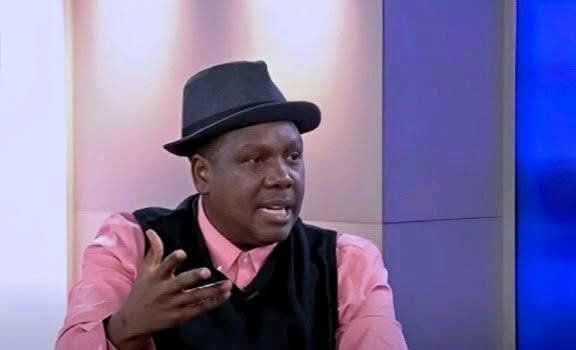
Presidential aide Daniel Bwala acknowledges the painful impact of fuel subsidy removal and foreign exchange reforms, but says the government’s economic measures have delivered significant gains despite continued hardship.
Presidential aide Daniel Bwala has acknowledged that President Bola Tinubu’s economic reforms pushed more Nigerians into poverty, while insisting that the government has made significant progress despite the hardship.
Bwala, Special Adviser to the President on Policy Communication, made the admission during an appearance on Channels Television’s Politics Today on Wednesday.
He was defending the administration’s economic policies, particularly the removal of the petrol subsidy and the unification of the foreign exchange market, two major reforms introduced shortly after Tinubu assumed office in May 2023.
The reforms triggered a sharp increase in the cost of living, with households and businesses facing higher transportation, logistics and production costs.
Bwala did not dispute the impact on vulnerable Nigerians.
“More people went down to poverty, acknowledged,” he said, arguing, however, that the hardship should be viewed alongside what he described as the progress recorded since the reforms began.
“There is no part of the world where you start a reform like that there will not be discomfort,” the presidential aide said.
He added that the government had spent the past three years explaining the rationale behind the reforms and highlighting the gains it believes have emerged from them.
“So, you cannot discount that even though there are quite a number of our population that are poor which we admit, but we have made progress so far,” Bwala said.
Hardship Persists Despite Economic Gains
Bwala’s comments come amid continued concerns over poverty and living standards in Nigeria.
The International Monetary Fund said in June 2026 that Nigeria’s reforms had improved macroeconomic outcomes and strengthened resilience, but conditions remained difficult for many Nigerians. It estimated poverty at 63 per cent at the national poverty line and said about 27 million Nigerians faced food insecurity in late 2025.
The World Bank has similarly reported that Nigeria has made progress in restoring macroeconomic stability, including easing inflation and stronger external and fiscal positions, while warning that household incomes have yet to fully recover and poverty remains high.
The government has maintained that the reforms were necessary to address longstanding economic distortions, strengthen public finances and create the foundation for sustainable growth.
President Tinubu, in his October 1 Independence Day address, also pointed to declining inflation, stronger foreign reserves and greater stability in the foreign exchange market as evidence that the reforms were beginning to yield results.
Bwala Backs Tinubu for 2027
The presidential aide also spoke confidently about Tinubu’s prospects in the 2027 presidential election.
Bwala said he expects Tinubu to perform better than he did in the 2023 election, attributing his confidence partly to the political support the President has received from governors elected on opposition platforms who have subsequently moved to the All Progressives Congress (APC).
He predicted that Tinubu’s margin over his opponents in 2027 would be significantly larger than the margins recorded in 2023.
Bwala’s prediction is his political assessment and not an independent forecast of the 2027 election outcome.
Leave a comment
Your email address will not be published. Required fields are marked *