

Coordinated intervention signals rare joint action, but analysts warn impact may be short-lived without deeper policy shifts
The United States has intervened in Japan’s currency market for the first time in more than a decade, purchasing Japanese yen in a coordinated effort with Tokyo to support the embattled currency after it plunged to a 40-year low against the US dollar.
US President Donald Trump confirmed the move, describing it as a gesture of solidarity with Japan amid mounting economic pressure.
Speaking aboard Air Force One, Trump said the intervention was aimed at helping Japan stabilise its weakening currency. Japan’s Finance Minister, Satsuki Katayama, also said the joint action was designed to curb excessive volatility and disorderly movements in the foreign exchange market.
The intervention, reportedly executed on Friday by the US Treasury through the Federal Reserve Bank of New York, comes as Japan battles rising import costs linked to the Iran conflict, alongside the lingering effects of years of ultra-low interest rates that have weighed heavily on the yen. A stronger US dollar has also made American exports less competitive globally, providing Washington with an added incentive to support the Japanese currency.
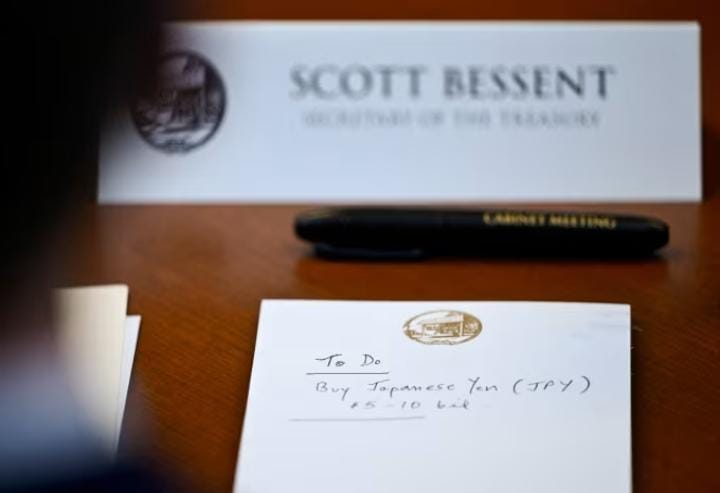
US Treasury Secretary Scott Bessent signalled that further action could follow if needed, stressing that the Treasury “will not hesitate” to participate in additional joint interventions. Notes seen during a cabinet meeting at Camp David indicated plans to purchase between $5 billion and $10 billion worth of Japanese yen.
Despite the move, analysts remain cautious about its long-term effectiveness. While past interventions by the Bank of Japan have offered temporary support, experts warn that such measures often deliver only short-term relief unless backed by broader monetary and economic policy adjustments.
Japan’s struggle with a weak yen has persisted for decades, largely driven by prolonged low interest rates introduced to counter recession and deflation. Although the country began tightening policy in 2024, the wide gap between Japanese and Western interest rates, coupled with high energy import costs, continues to exert downward pressure on the currency.
Leave a comment
Your email address will not be published. Required fields are marked *