

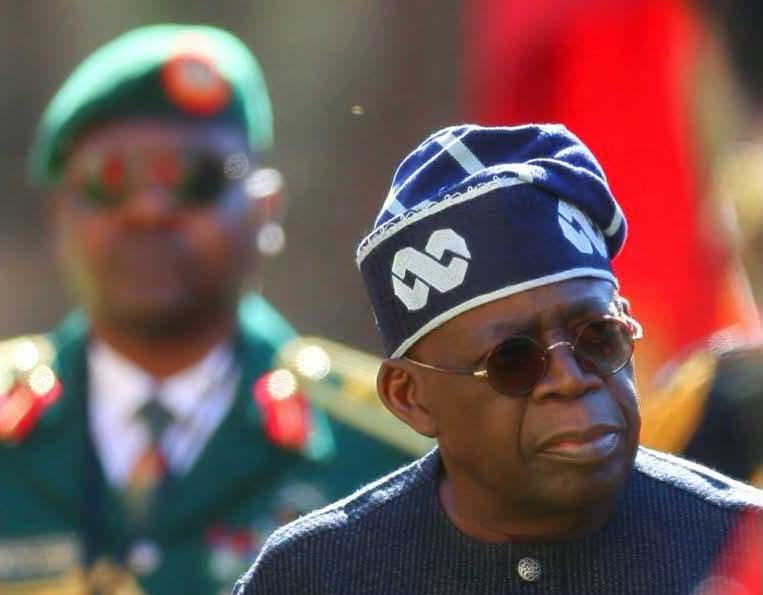
FCT Minister says economic hardship and insecurity will remain election issues but argues that political dependence could shape Nigerians’ voting decisions
The Minister of the Federal Capital Territory, Nyesom Wike, has expressed confidence that the economic hardship and insecurity confronting Nigerians will not prevent President Bola Tinubu from securing re-election in the 2027 presidential election.
Wike made the assertion on Wednesday during a media parley with selected journalists in Abuja, where he discussed the factors likely to influence voting behaviour ahead of the next general elections.
The former Rivers State governor acknowledged that hunger, insecurity and other socioeconomic challenges would feature prominently in political campaigns and voters’ concerns.
However, he argued that it would be unrealistic to assume that Nigerians would vote solely based on their assessment of the country’s economic and security conditions.
Wike urged analysts and political commentators to take into account the realities of Nigeria’s political environment, particularly the dependence of many citizens on political leaders and structures for financial assistance, food and other forms of support.
“There is no election in Nigeria where the issue of hunger and insecurity won’t come up,” Wike said.
He argued that political relationships at the family, community, local government and ward levels could significantly influence how many voters make their choices.
According to him, the voting behaviour of Nigerians cannot always be compared with that of citizens in countries where individuals are more economically independent of political actors.
The minister said many Nigerians look up to politicians and political leaders for assistance, including food and other forms of support, making political considerations more complex than simply evaluating the performance of a government.
Wike also recalled that similar concerns over insecurity and hunger were raised during elections held under former President Muhammadu Buhari.
His comments come amid growing political activity ahead of the 2027 elections, with economic hardship, unemployment, insecurity and the cost of living expected to remain major issues in the campaign.
Tinubu’s administration has faced criticism over rising living costs and the impact of economic reforms, particularly following the removal of the petrol subsidy and changes in foreign exchange policy.
The government has maintained that the reforms are necessary to stabilise the economy and put Nigeria on a path to sustainable growth, while acknowledging the difficulties faced by citizens during the adjustment period.
As political parties and potential candidates begin positioning themselves for 2027, the impact of economic conditions on voters is expected to remain a major subject of debate.
Wike’s comments suggest that, despite widespread concerns over hardship and insecurity, he believes Nigeria’s complex political networks and dependence on political structures could play a decisive role in determining the outcome of the presidential election.
Leave a comment
Your email address will not be published. Required fields are marked *