

Bureau tells US court disclosure of sensitive investigative files could expose individuals to targeting, violent retaliation or assassination
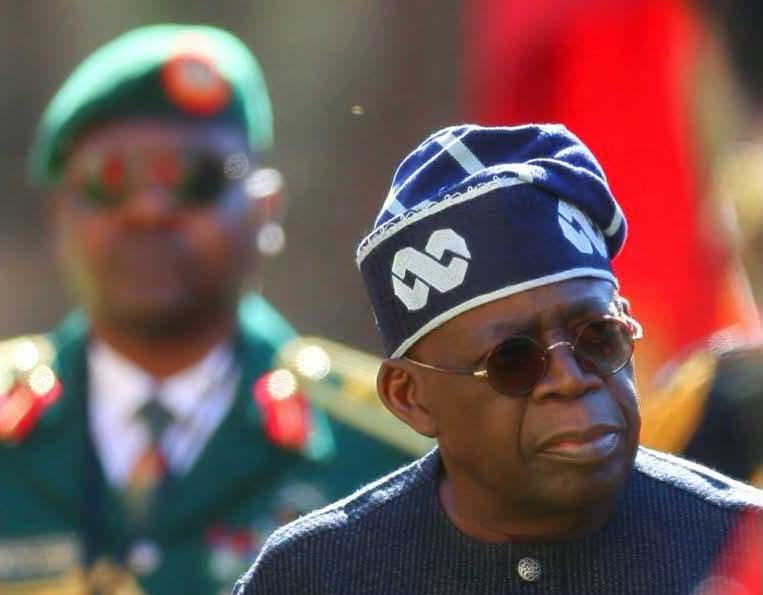
The United States Federal Bureau of Investigation (FBI) has warned that releasing certain records connected to investigations into alleged drug-trafficking activities involving Nigerian President Bola Ahmed Tinubu could expose informants, agents and other individuals to serious threats, including possible assassination.
The warning was contained in a court filing submitted by the FBI in response to a Freedom of Information Act (FOIA) lawsuit seeking the release of records relating to Tinubu.
The case is before Judge Beryl Howell of the United States District Court for the District of Columbia.
The lawsuit was filed by American transparency activist Aaron Greenspan, who is seeking access to records concerning allegations surrounding Tinubu and drug-related activities in the United States during the 1980s and 1990s.
US Firm Alleges Tinubu Spent Millions to Block Release of US Drug-Related Records
Greenspan has submitted FOIA requests to several US government agencies in an effort to obtain records relating to the matter. The agencies include the FBI, Central Intelligence Agency (CIA), Drug Enforcement Administration (DEA), Internal Revenue Service (IRS) and US immigration authorities.
In its latest filing, the FBI argued that some of the requested materials should remain confidential because their release could threaten the safety of people connected to the investigations.
The bureau invoked FOIA Exemption 7(F), a provision that allows law-enforcement agencies to withhold information when its disclosure could reasonably be expected to endanger the life or physical safety of an individual.
The FBI also relied on privacy exemptions to justify withholding certain information.
According to the bureau, some of the records contain names and identifying details that, if made public, could expose individuals to physical harm.
The agency said people who provided information to investigators, participated in investigations or were otherwise connected to the cases could become targets if their identities or other identifying details were disclosed.
The FBI further argued that individuals mentioned in the investigative records could regard the information as derogatory or incriminating, while those who assisted investigators could face retaliation from people allegedly connected to the criminal activities described in the records.
The bureau's position came after Judge Howell directed the agency to provide an explanation for its decision to withhold the Tinubu-related records.
The judge subsequently allowed the FBI to submit its justification and the disputed records privately for judicial review, rather than releasing the materials publicly at this stage.
The legal battle forms part of a broader effort by Greenspan to obtain historical records held by US government agencies concerning Tinubu.
The records being sought relate to events dating back several decades, including allegations surrounding drug-related investigations involving Tinubu during his time in the United States.
The matter has attracted considerable attention in Nigeria because of Tinubu's position as President and the long-running public debate over documents and allegations concerning his activities in the United States before he entered Nigerian politics.
The FBI's latest filing, however, does not establish the truth or otherwise of the allegations against Tinubu. Rather, the bureau's argument is focused on whether certain information contained in its investigative files can legally be disclosed under US freedom-of-information laws without creating unacceptable risks to individuals.
The FBI has previously faced criticism over delays in releasing records connected to the controversy.
Among the documents at the centre of interest are records linked to a 1993 civil forfeiture case involving $460,000 associated with Tinubu, which was forfeited to the US government.
The circumstances surrounding the forfeiture and the records connected to it have remained a subject of public interest and scrutiny over the years.
The latest court proceedings could determine whether additional portions of the FBI's records will eventually become public or remain protected under US law.
For now, the bureau maintains that releasing certain portions of the files could compromise the safety and privacy of individuals who were involved in, assisted or were identified during the investigations.
The court will ultimately decide whether the FBI's justification meets the legal requirements for withholding the records under the Freedom of Information Act.
Leave a comment
Your email address will not be published. Required fields are marked *